Assorted Works
Assorted Works

A variety of Classics-inspired pieces. Mostly personal work and gifts, but also some published work too!
Procne: Past and Future
King’s College London’s 2026 Latin Play
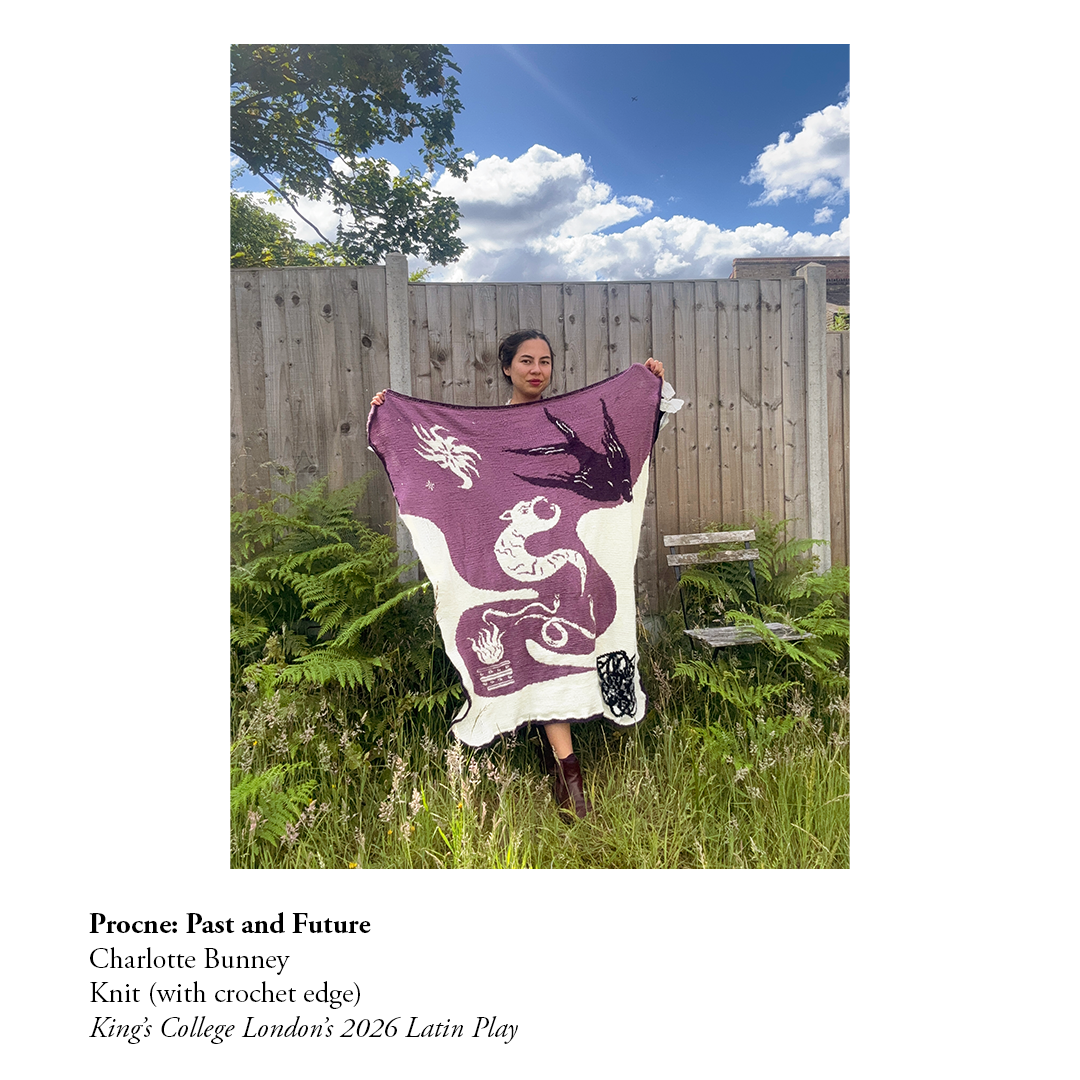
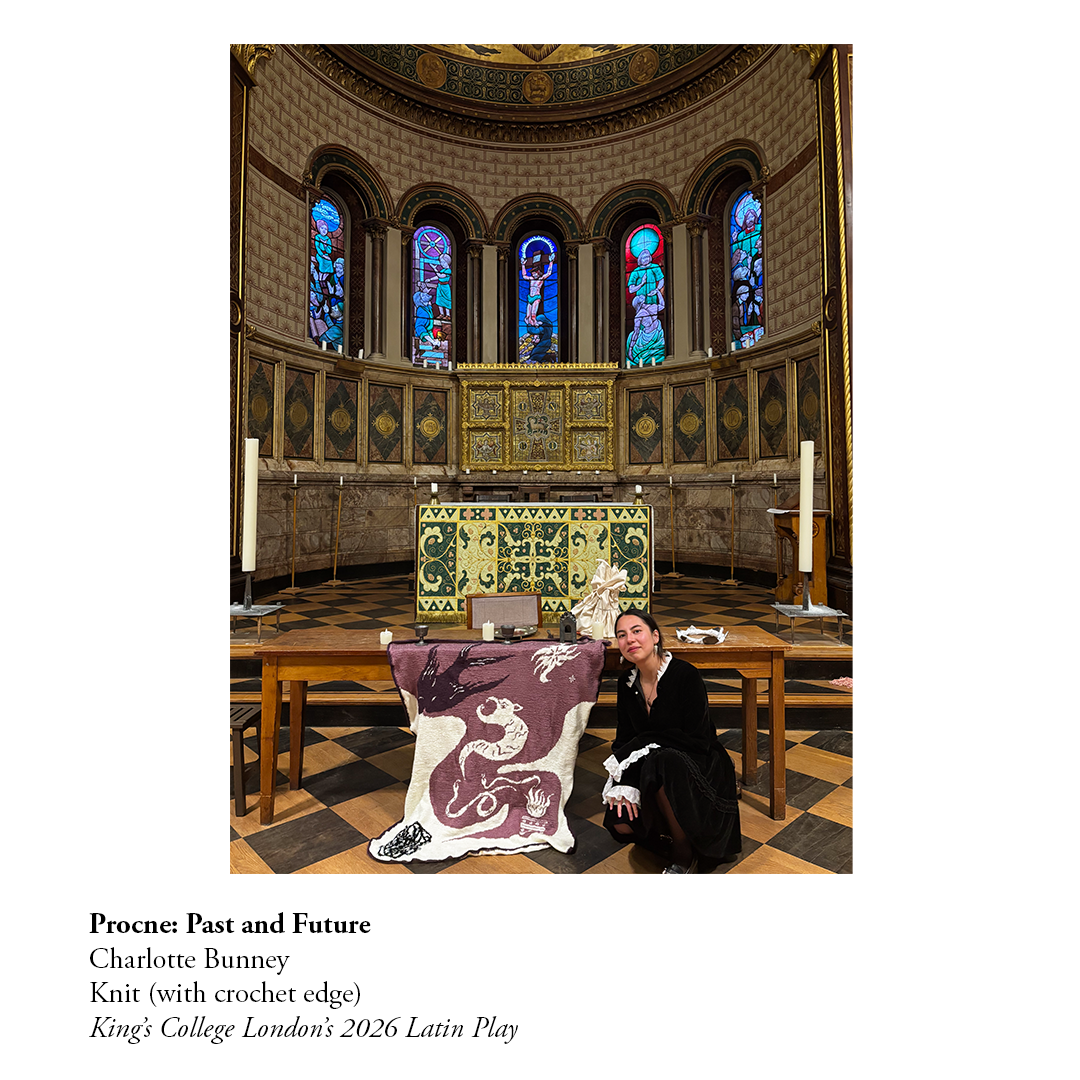
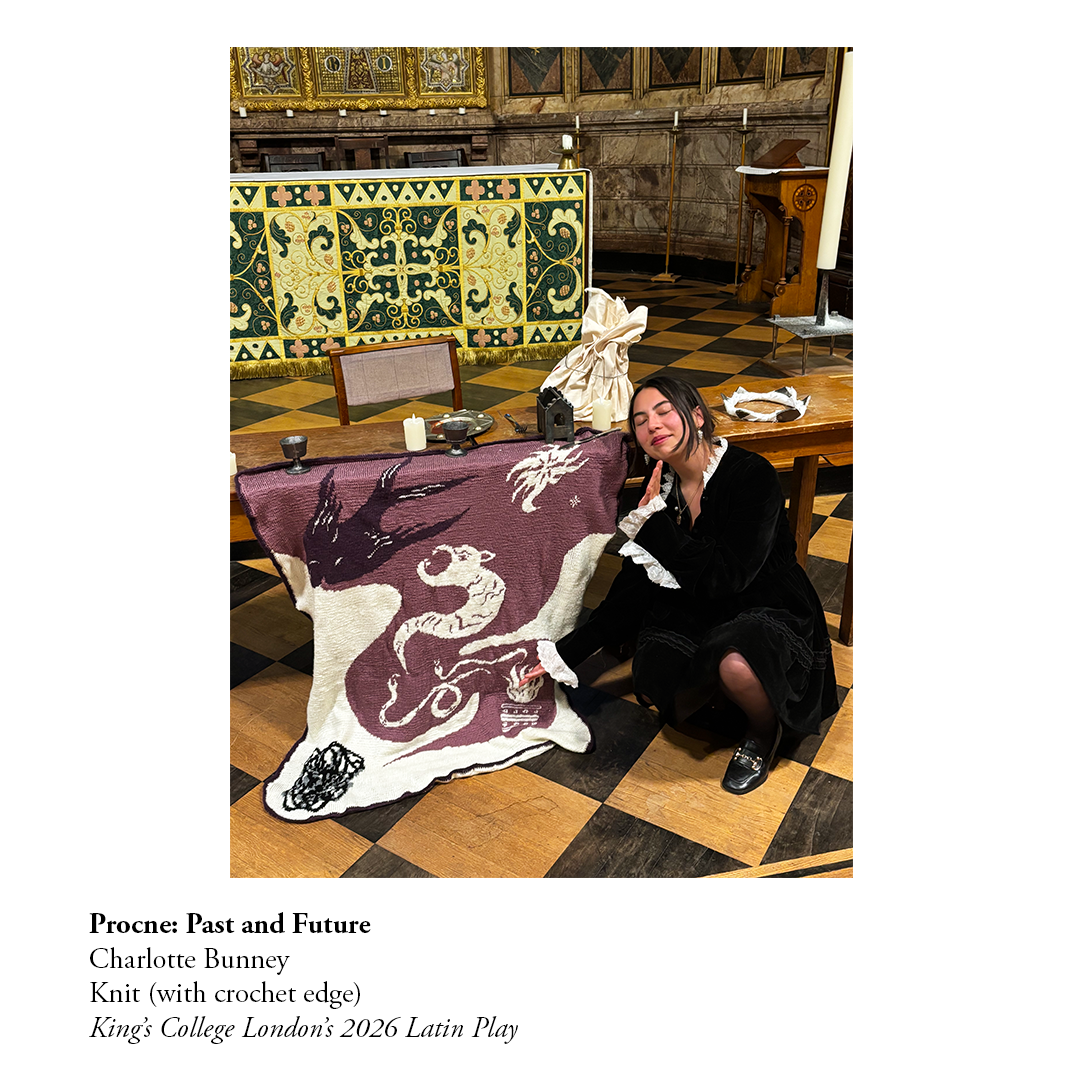
This one was truly a project of the most niche Venn diagramn of my life: a Medieval play based on the Ovid myth of Procne that was performed entirely in Latin in a chapel that I had the privilege of designing and knitting a tapestry for! This project was made even more special by the fact that Procne was King’s College London’s first annual Latin play following its revival after a five year hiatus.
This was knit back-to-back with my wedding tapestry gift so it was a very busy time with lots of early mornings and late nights… I somehow managed to get this done in 2 weeks, which did lead to self-enforced 1 week knitting ban.
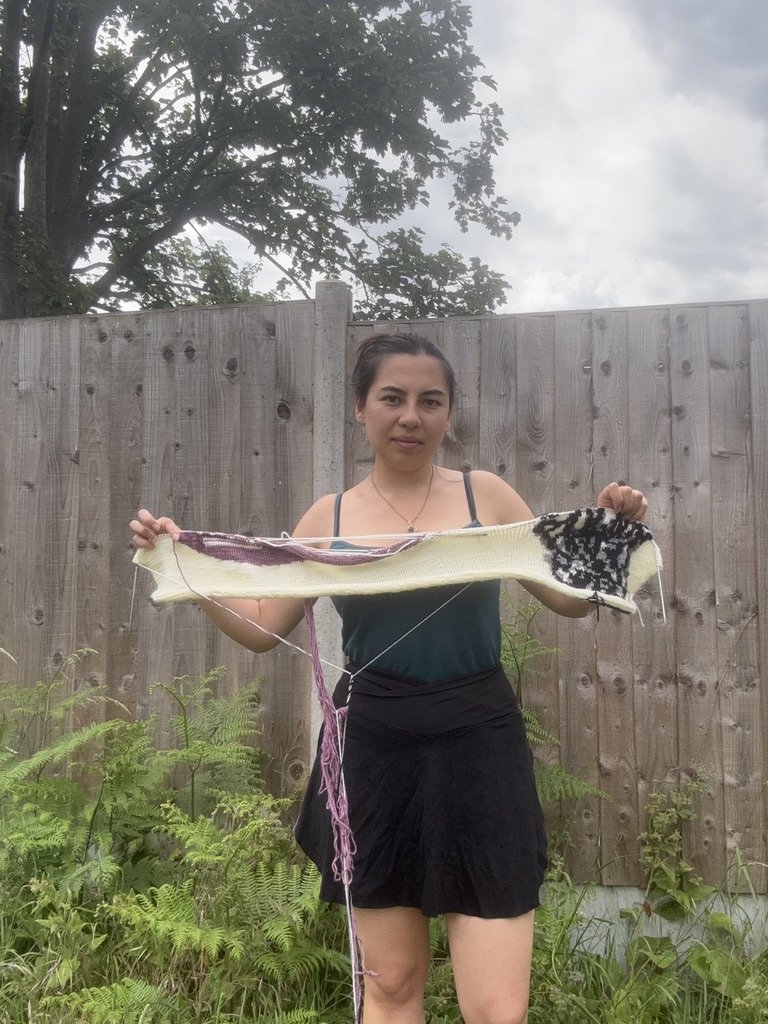
Row 50
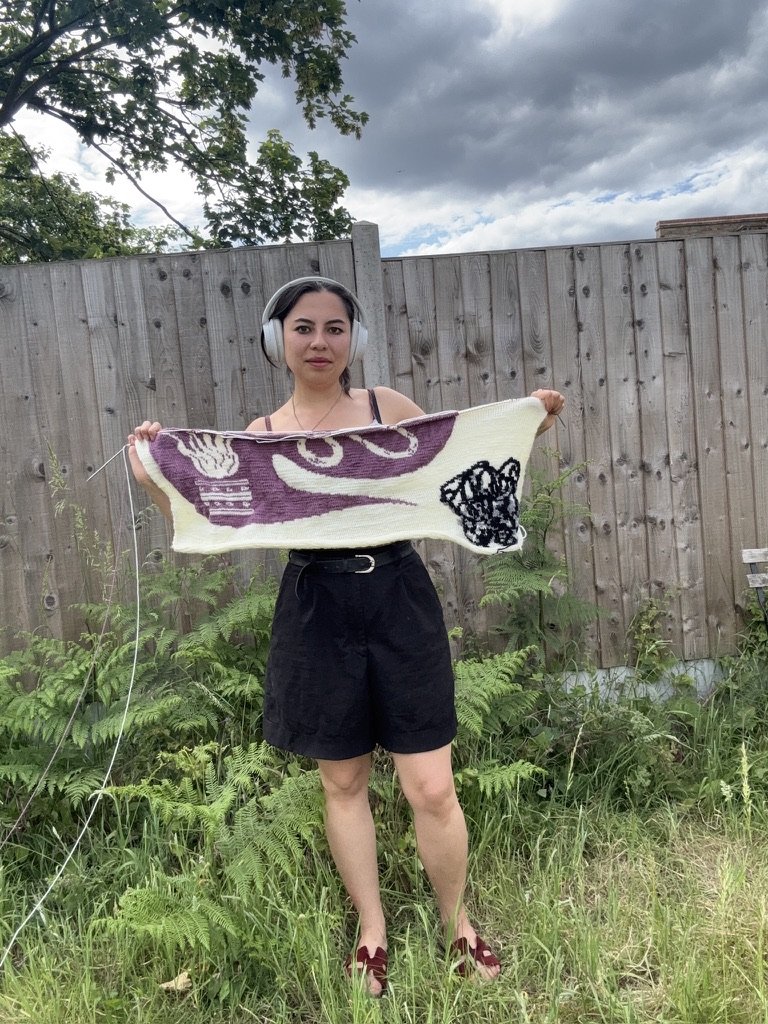
Row 100
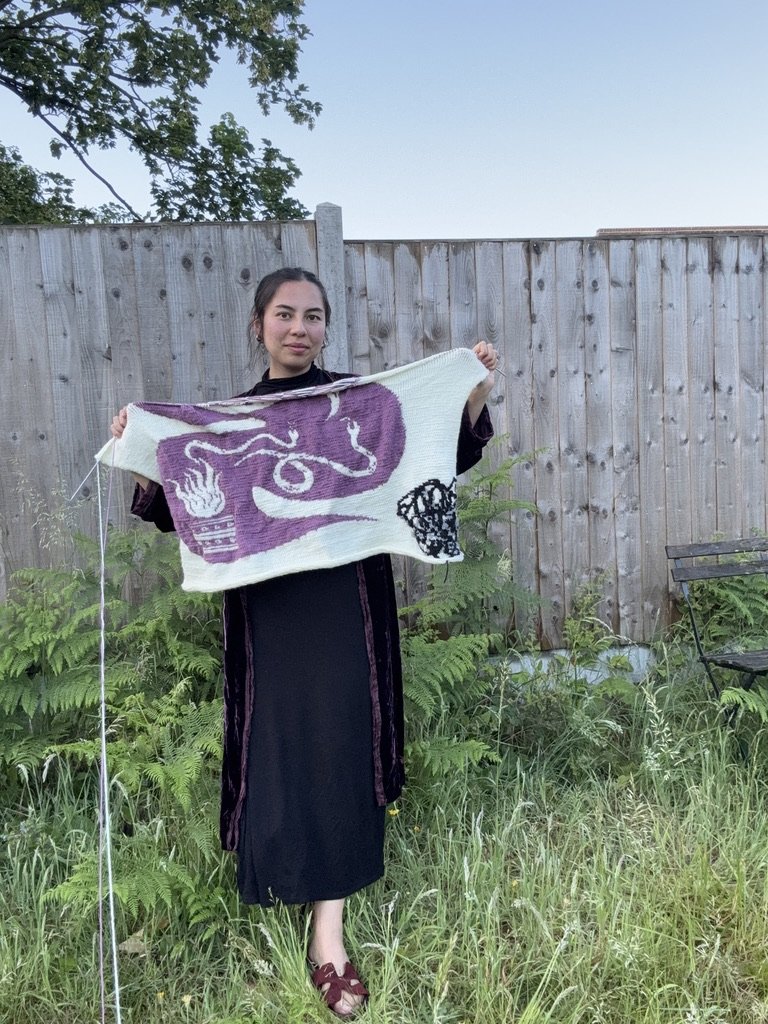
Row 150
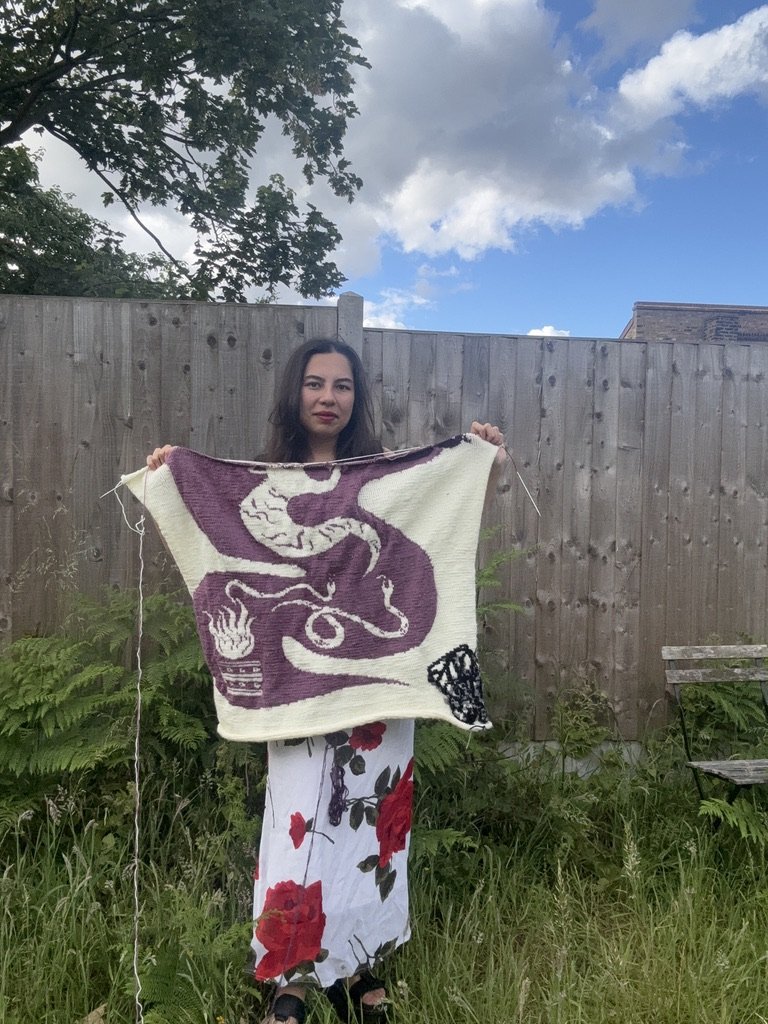
Row 200
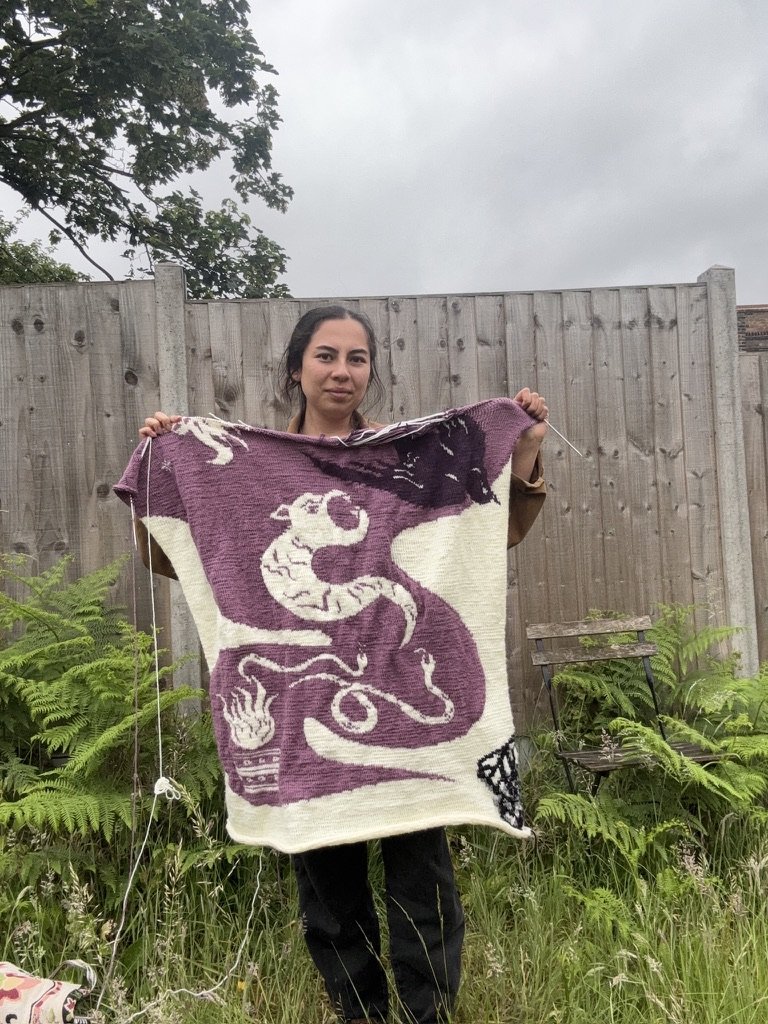
Row 250
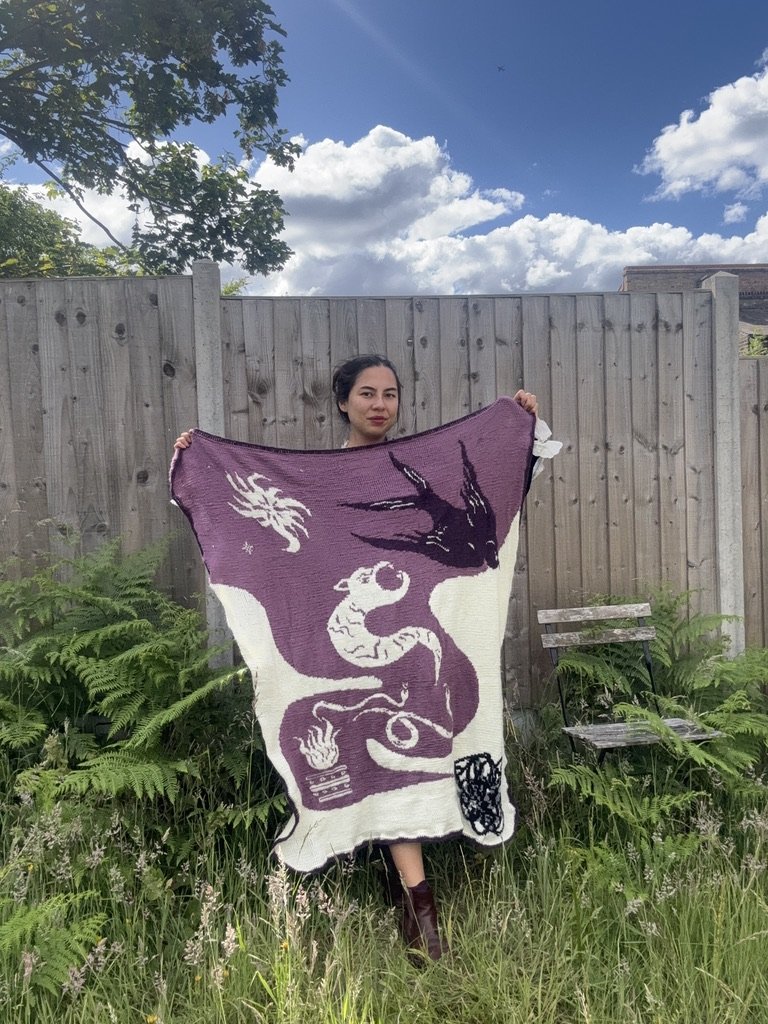
Row 300
The Imagery (content warning: sexual assault and violence)
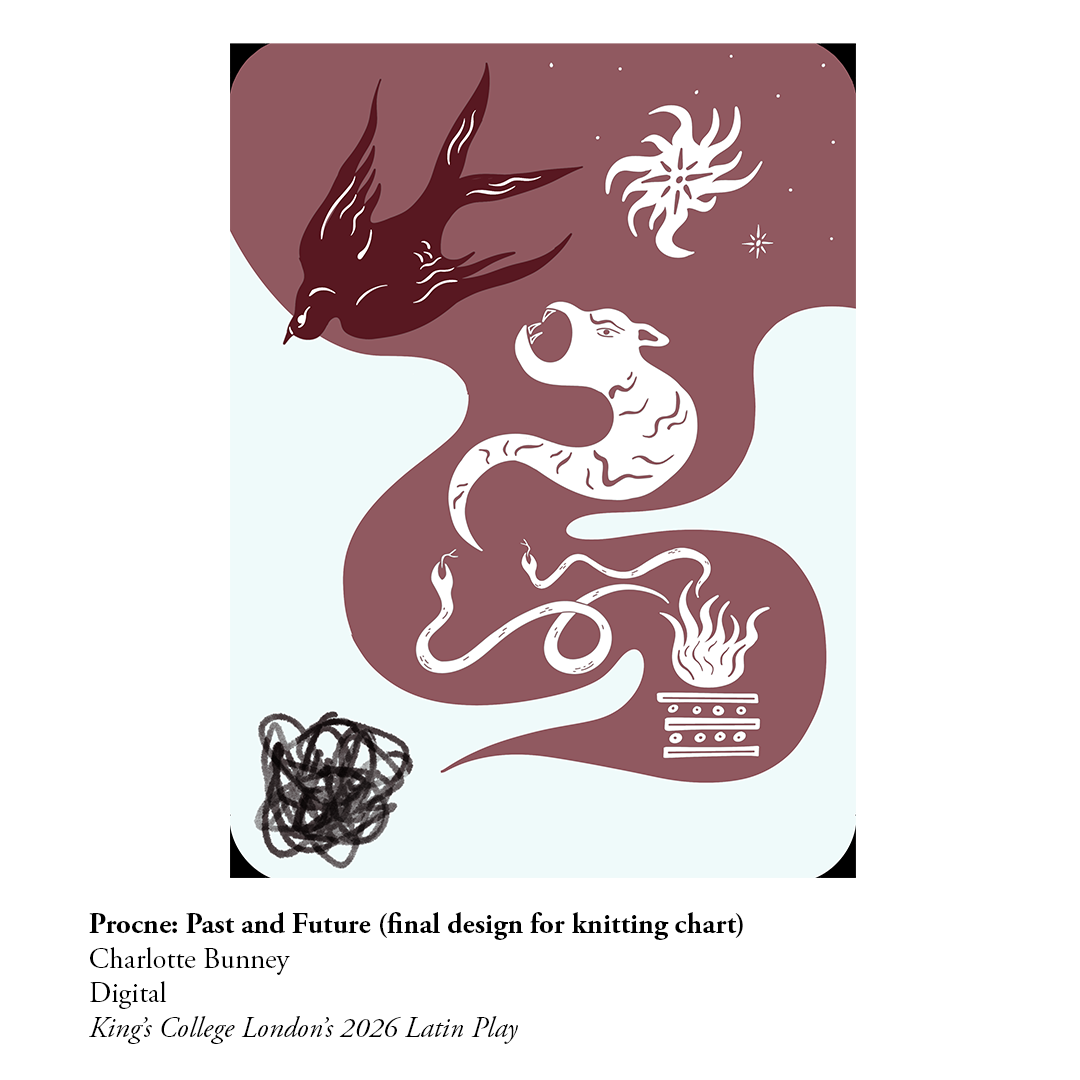
In the original myth Procne’s sister, Philomela, is unable to tell anyone of the sexual assault she has suffered at the hands of Procne’s husband, King Tereus, as he has cut out her tongue. In order to communicate what has happened to her, she weaves a tapestry depicting her plight. For this project, we decided to depicted the original sin committed against her in an abstract manner (the scribble in the bottom left corner) but then to also depict subsequent events that come about because this horrendous crime. When looking for the imagery I wanted to draw from, I took inspiration from Ovid’s original Metamorphoses, as well as Gregorio Correr’s 15th century Procne, which is the script that was used for this 2026 performance:
-
CORRER, [Tereus]- ‘A lofty funeral pyre was constructed that menaced the sky; its flame cracked through the boughs, and black smoke hickened in a deathly cloud’
This refers to the fake burial pyre that Tereus claimed he burned Philomela on after having falsely claimed that she had died at sea. This is another sin of Tereus, as he not only compounds his original assault against Philomela by attempting to conceal it though her fabricated death, but also sins against Procne by deceiving her into believing that her sister is dead and causing her to suffer unnecessary grief. Procne’s belief that her sister was dead also meant that Philomela was left to suffer alone in the concealed grove that Tereus left her in, making Procne’s eventual discovery of her and her suffering she had endured all the more painful.
In this way, I felt it important to include the pyre imagery in this tapestry because the ‘black smoke’ billowing from it and darkening the sky symbolises how each of the play’s tragic events flows from the next, compounding from the true origin of Tereus’ initial ‘black deed’ (OVID, Philomela to Tereus). The purple background element also mimics the shape of smoke, reinforcing how each motif leads chronologically into the next event in the play. Similarly, the images themselves are designed a positioned in a way to visually connect each even as the serpents tails curve out of the gaps between the pyre’s flames and the Hyrcanian tiger’s body is manipulated to snake curve out from between the two serpent heads. All the elements ben around the path of the purple background.
-
OVID- ‘As the tail of a slain snake still writes upon the ground, so did the throbbing tongue;’
This is the gory imagery used to describe Philomela’s tongue which Tereus cuts out to prevent her revealing what he did to her.
CORRER, [Procne]- ‘I gaze upon the faces of the Furies, and Alecto herself, with her hair waving, has implanted a serpent in my breast. Slithering, it courses through my veins. I encourage it.‘
This describes the fury Procne feels after discovering her sister and what has happened to her
CORRER, [Tereus]- ‘Likewise I saw the wine changed into loathsome gore, the ivory in the temple weeping tears, an altar flash, and a flame snaking through the whole palace’
This imagery manifests the moral pollution that now plagues Thrace and Tereus’ household as a consequence of his original crime against Philomela, which ultimately develops into the retaliatory violence of Procne’s revenge. Procne’s revenge is to kill their son and serve him to Tereus in a meal, thus adding even further to the moral disorder.
Drawing on the serpent imagery, then, was another way to stress how all the tragic events in the play snake out from Tereus’ original sin. This is emphasised further by the general associated between snakes and revenge in the wider Greek tradition as they are often used to characterise the Furies who themselves represent inescapable retribution. Correr draws on this very association in the second quote above and when the Messanger reports Procne’s killing of her and Tereus’ son: ‘Thus she spoke and, spurred by the Furies, dragged the child like a nursing calf which the fierce Hyrcanian tiger seizes’ (CORRER, Messenger). The serpent therefore becomes a visual symbol of how Tereus’s original crime coils through the play, transforming into grief, revenge and ultimately further violence.
-
CORRER, [Messenger]- ‘Thus she spoke and, spurred by the Furies, dragged the child like a nursing calf which the fierce Hyrcanian tiger seizes.’
Much like with the act of sexual assault against Philomela, we wanted to represent the killing of Procne and Tereus’ son, Itys, in a non-graphic and abstract manner. Correr’s metaphor provided the perfect image for this violent act of revenge, a violence that is stressed even further by the complete innocence of Itys’ contrasting ‘nursing calf’ imagery. Without including his symbolic image, for spacial and aesthetic reasons, I tried to get across her disproportionate act of violence against her son through the expression on the tiger’s face.
-
OVID, [Philomela to Tereus]- ‘You are a lawless bond of double sin! Oh, this dark punishment was not my due! Come, finish with my murder your black deed, so nothing wicked may remain undone’
As mentioned in ‘the pyre’ imagery section, the theme of darkness is introduced at the very beginning of the narrative when Philomela describes Tereus’ sexual assault against her as a ‘black deed’ and a ‘black punishment’ that she did not deserve, nor would anyone.
CORRER, [Tereus to Procne]- ‘The sky won’t let us tell night from day’
Here, Tereus is claiming to Procne that there was a storm so rough at sea that Philomela died at sea. Once again, then, the idea of darkness is attached to Tereus through his second crime: the concealment of his first.
CORRER, [Diomedes]- ‘Though the heavens shall one day be set on fire at the end of time and fire shall cover the sea and the earth, another such crime may scarcely be counted, and posterity will scarcely credit the story’
This extract is part of Diomedes’ prolepticprologue at the beginning of Correr’s play. He uses the imagery of the cosmos’ destruction to argue that he finds it very unlikely that any crime could ever eclipse those that will be unravelled throughout the narrative of this play. Though the imagery ostensibly deals with light in the form of burning stars and world-engulfing fire, the idea of darkness can be drawn from the eventual consequences of this cosmic death.
While this extract structurally comes from the start of the play, narratively, its imagery belongs to the end.
Taking all of this into account, then, darkness is established at the very start of the narrative, and is attributed specifically to Tereus. By the chronological end of the tale, a cyclical narrative is complete as the world falls into an all-encompassing darkness. Much like with the pyre/smoke imagery and the serpent imagery, this once again re-enforces how all the tragic events of the play come back to Tereus’ original sin, but the final apocalyptic image also stresses how the consequential sins keep compounding. Indeed, Procne herself encapsulates this in Correr’s adaptation when she asks ‘Why is a greater evil growing out of this fury?’ (Ovid, Procne).
-
OVID- ‘but Procne flew straight to the sheltering gables of a roof- and always, if you look, you can observe the brand of murder on the swallow’s breast- red feathers from that day.’
This describes how upon being chased alongside her sister by a sword-wielding Tereus' at the end of the narrative, Procne is transformed into a swallow. Ovid also depicts Tereus turning into a Hoopoe and Philomela turning into a nightingale.
Procne’s transformation into a swallow provides a visual representation of the consequences of her revenge. Ovid describes her as a swallow with red breast feathers so that ‘you can observe the brand of murder…from that day’ (Ovid) and in this way, Procne’s metamorphosis into a bird is literally stained by her rage and violence.
And yet, I deliberately chose to depict the swallow as falling limply from the sky. Procne is a character with autonomy, but the violence and rage that she channels to take revenge on her husband also comes at great personal cost to herself. The murder and serving of her son is arguably even more devastating because she is his mother, having carried, birthed and raised him, as is similarly the case with Medea. The image of the swallow falling from the sky therefore suggests not triumph or liberation through revenge, but the collapse that follows it. Her transformation consequently reflects how her attempt to avenge Philomela ultimately leaves her permanently marked by the violence she commits.
Though not depicted on the tapestry, Tereus’ metamorphosis similarly reflects his own violence. Ovid transforms him into a hoopoe, explicitly giving the bird a ‘long, sharp beak’ in place of the sword he carried while pursuing the sisters. This can also recall the sword with which he mutilated Philomela at the beginning of the narrative.
Philomela is rendered powerless from the moment Tereus attacks her, unable to do anything to stop the crime and severely hindered from even exposing it and getting any sort of personal justice. It is only at the very end of the play that an argument could be made that her voice is somewhat returned to her in the form of birdsong but given the strong association of melancholy with the song of the nightingale, it would seem the rest of her life would be a perpetual and pathetic (in the original Greek sense of pathos) lament of all that has happened to her.
So, although only Procne’s swallow is represented visually on the tapestry, the three avian metamorphoses can be understood as reflecting the different ways each character is defined by Tereus’ original crime: Philomela by suffering, Procne by retaliatory violence, and Tereus by his own violence.
The Colours
The art director of this play wanted a generally monochrome palette so I initially did my sketches in blank ink. She also designed and made all off the costumes in the play (!) and decided she wanted there to be a strong visual link between Philomela’s clothing and her tapestry so the main colour in this tapestry (the mauve background colour) was deliberately matched to Philomela’s costume. In order to draw more attention to the swallow (the final image on the tapestry), I decided to use a darker purple colour so we could still maintain that ‘monochrome’ aesthetic.
Technical info
Pattern: my own design
Yarn: acrylic and a cotton and wool blend
Needles: 3mm
Crochet hook for border: 2.5mm
O Odysseus

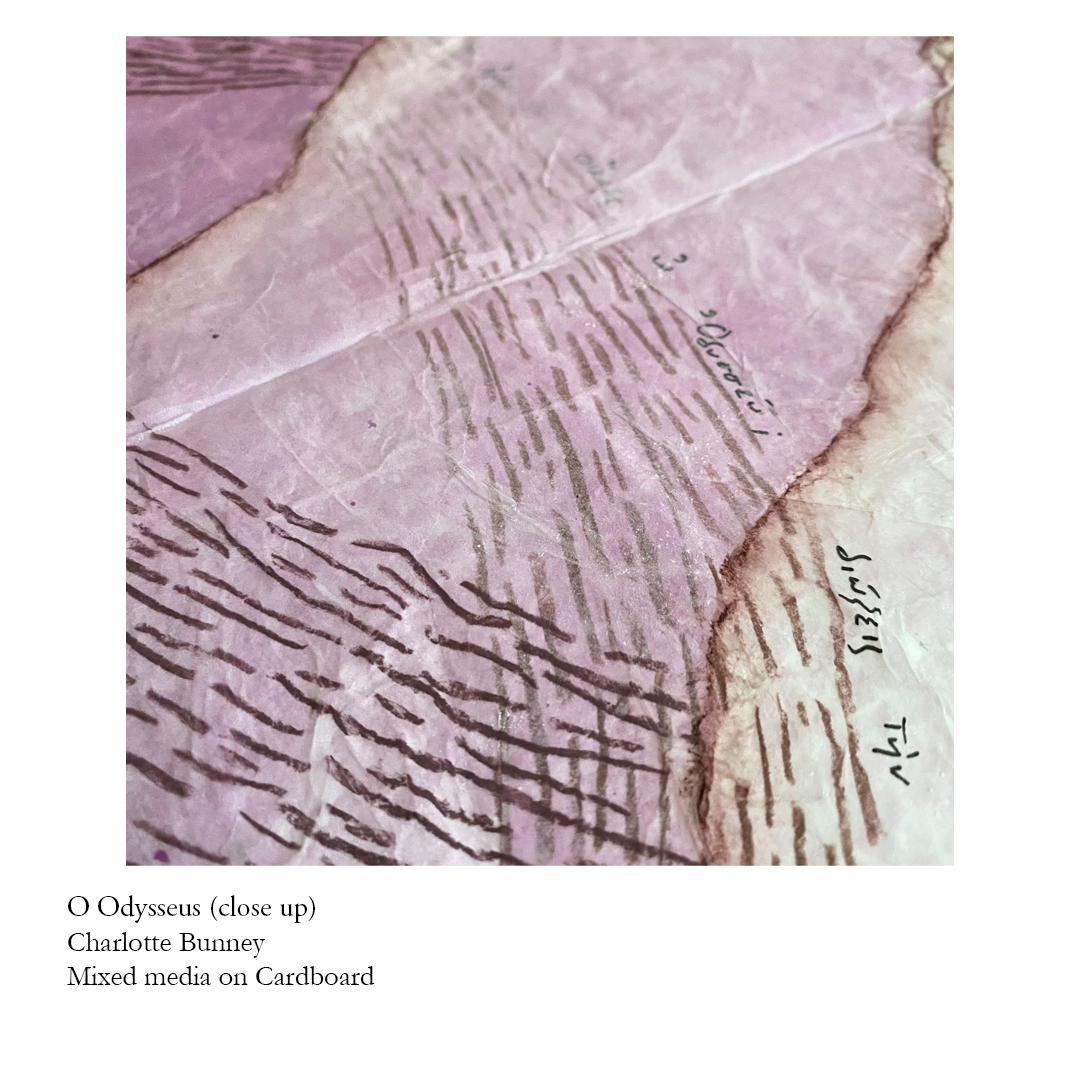
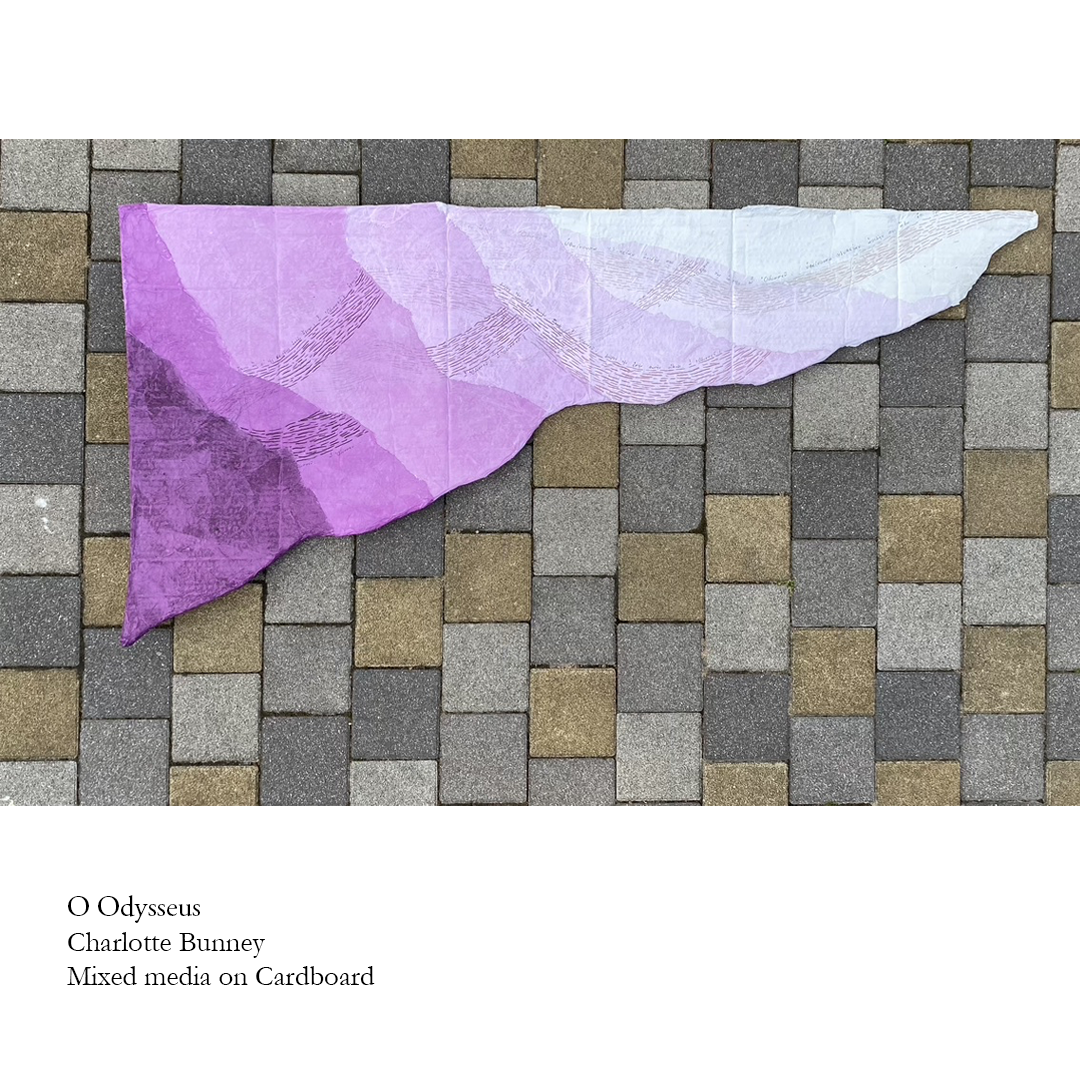
This piece is composed of many overlapping layers representing the ‘wine dark sea’ so often referenced by Homer. The text is composed in Ancient Greek and is written from the perspective of Penelope as she waits for her husband to finally return home. It reads:
Greek
ὑφαίνουσα γλυκείαν ἀοιδὴν σοι ᾄδω ἐπὶ τῳ ἱστῳ, ὦ ᾿Οδυσσεῦ
ὦ ᾿Οδυσσεῦ, ὦ ᾿Οδυσσεῦ, ὦ ᾿Οδυσσεῦ
διώξεις τὴν ἐμὴν φωνὴν οἴκαδε, ὦ ᾿Οδυσσεῦ;
ὦ Ὀδυσσεῦ; ὦ Ὀδυσσεῦ;
ἔρχοιο ἂν, εἰ τῆς Σειρῆνος ἀοιδὴν ᾄδοιμι, ὦ ᾿Οδυσσεῦ;
ὦ ᾿Οδυσσεῦ...
English
O Odysseus, I sing a sweet song for you, weaving on my loom.
O Odysseus, O Odysseus, O Odysseus.
Will you follow my voice home, Odysseus?
Odysseus? Odysseus?
Would you come if I sang a Siren's song?
Odysseus...
Many thanks to Marina for checking my translation and offering edits, as well as for insisting that accents be included…
Personal work


Pick and Mix
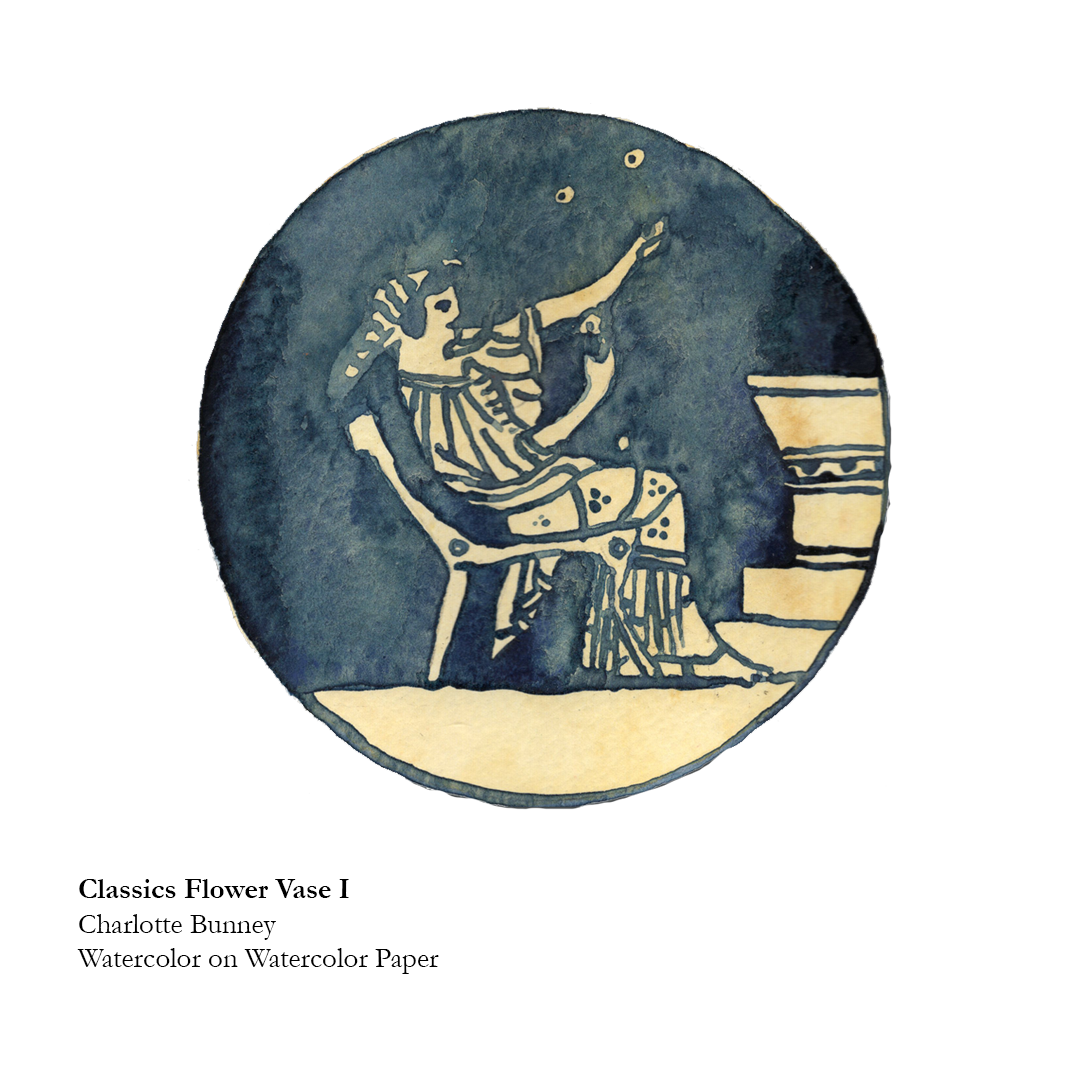
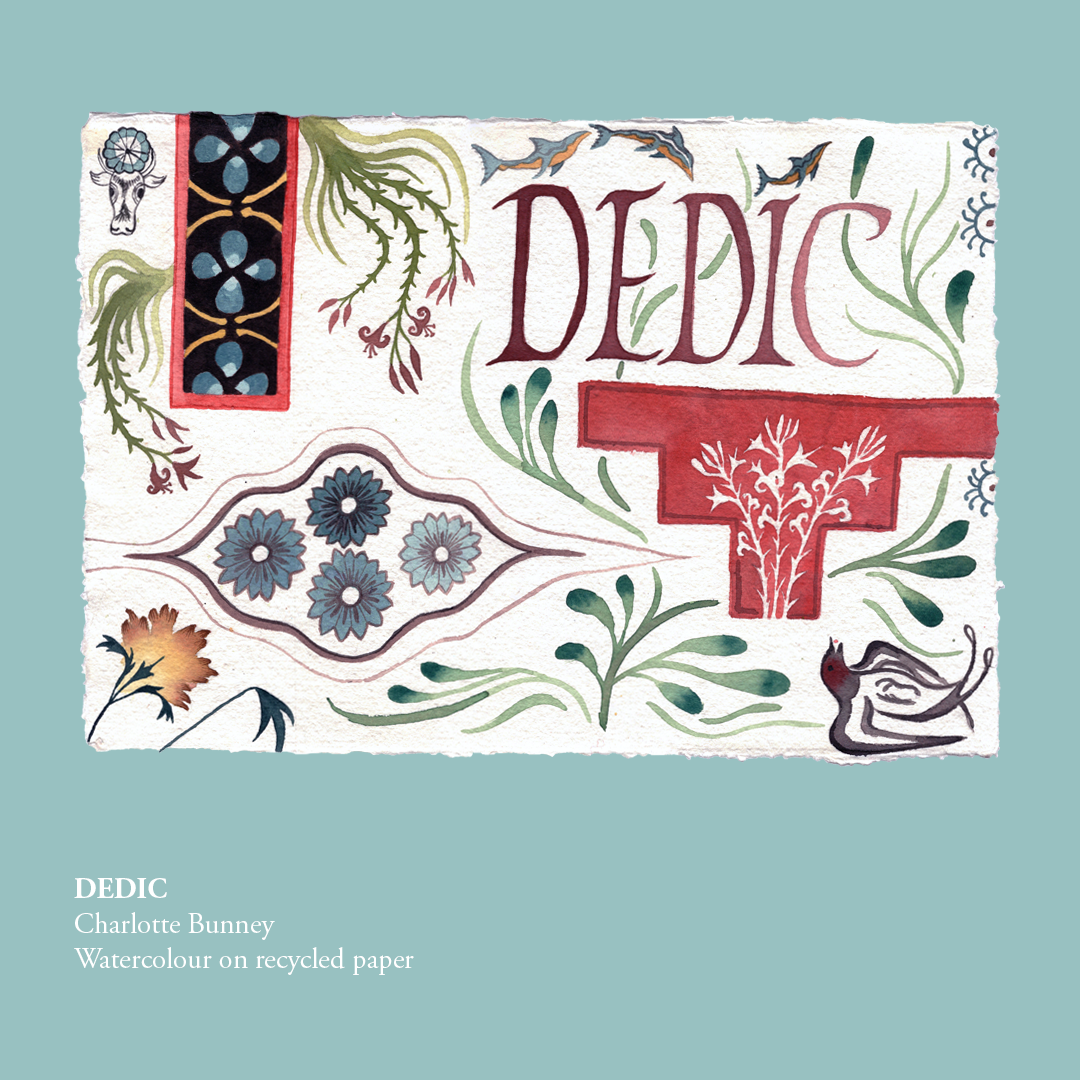
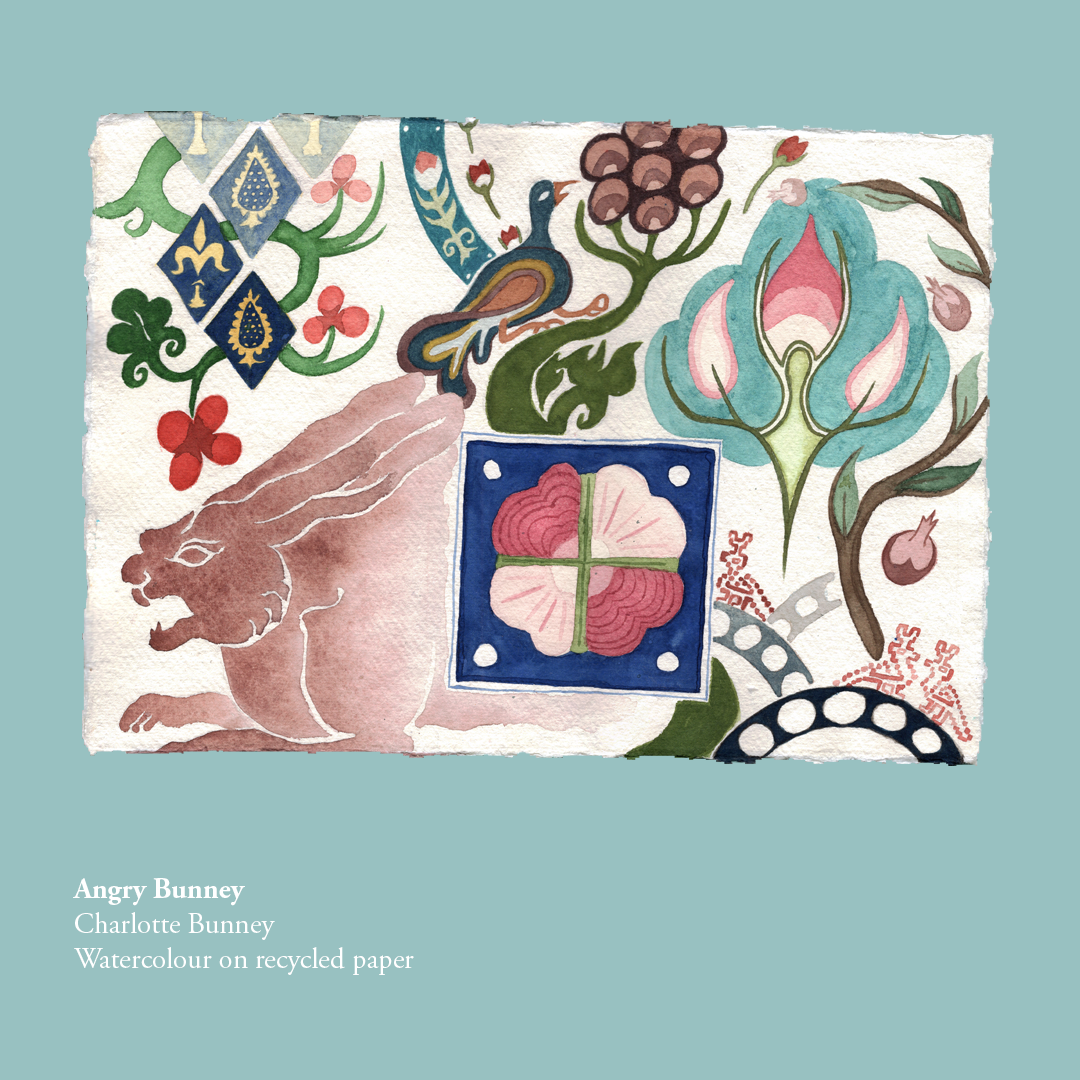
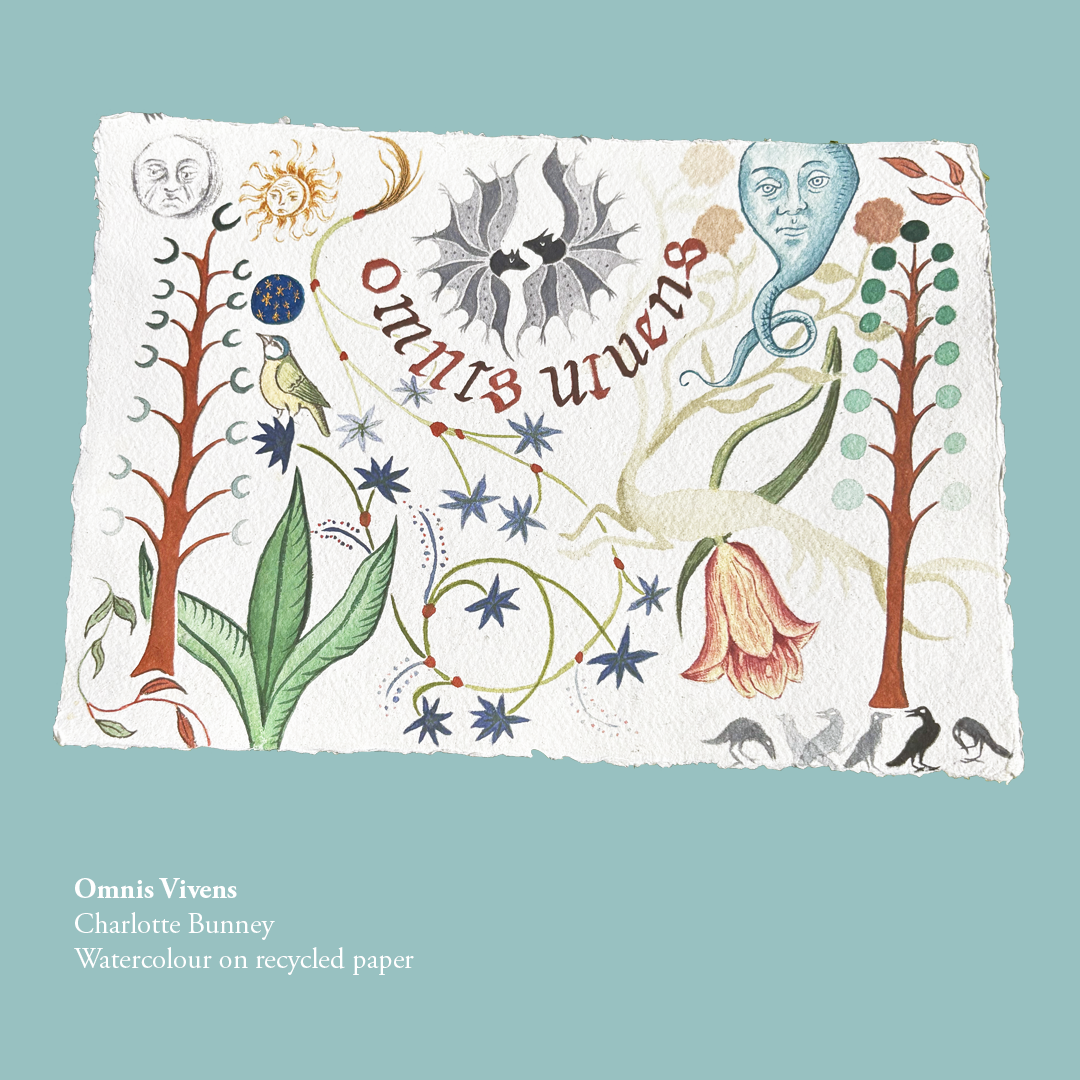
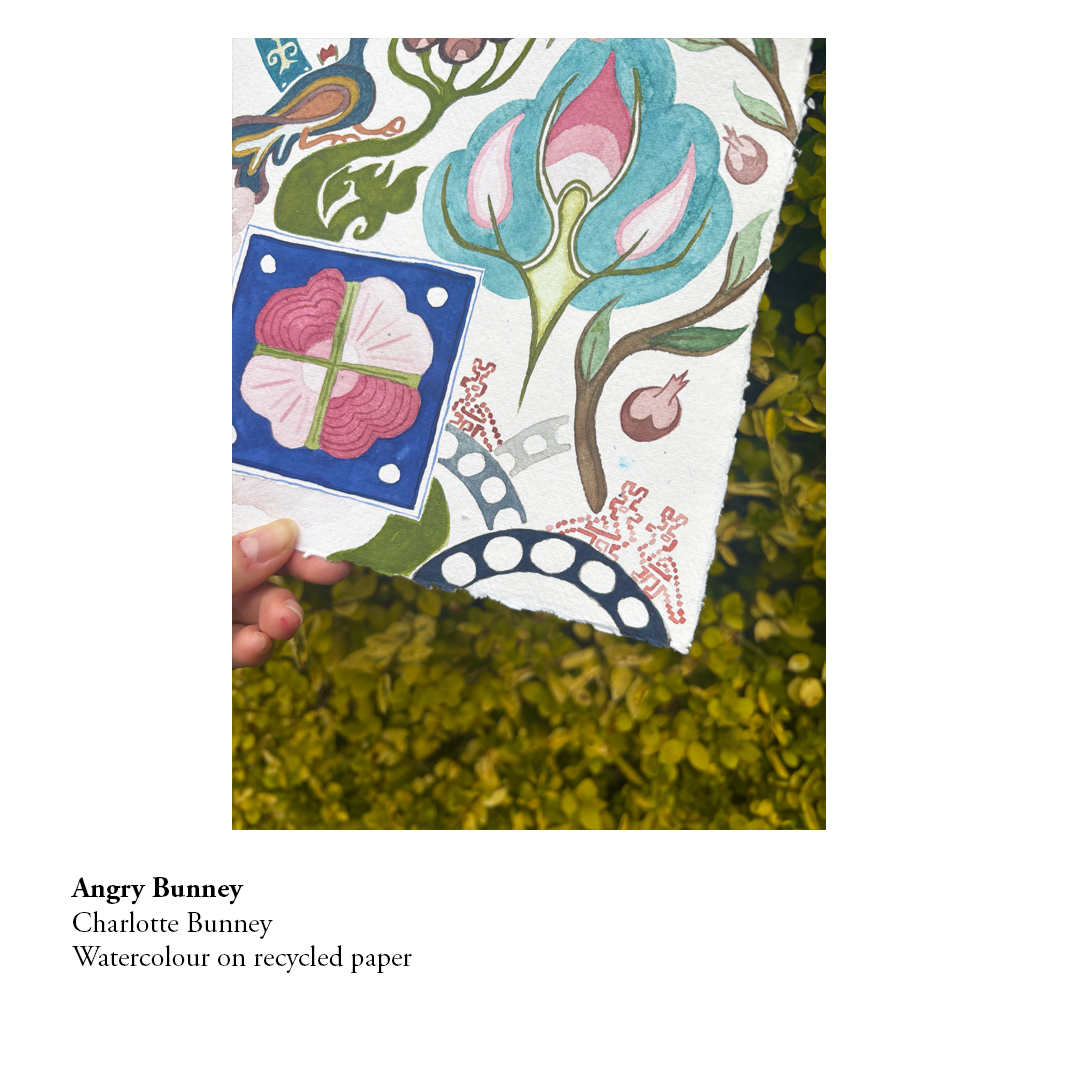
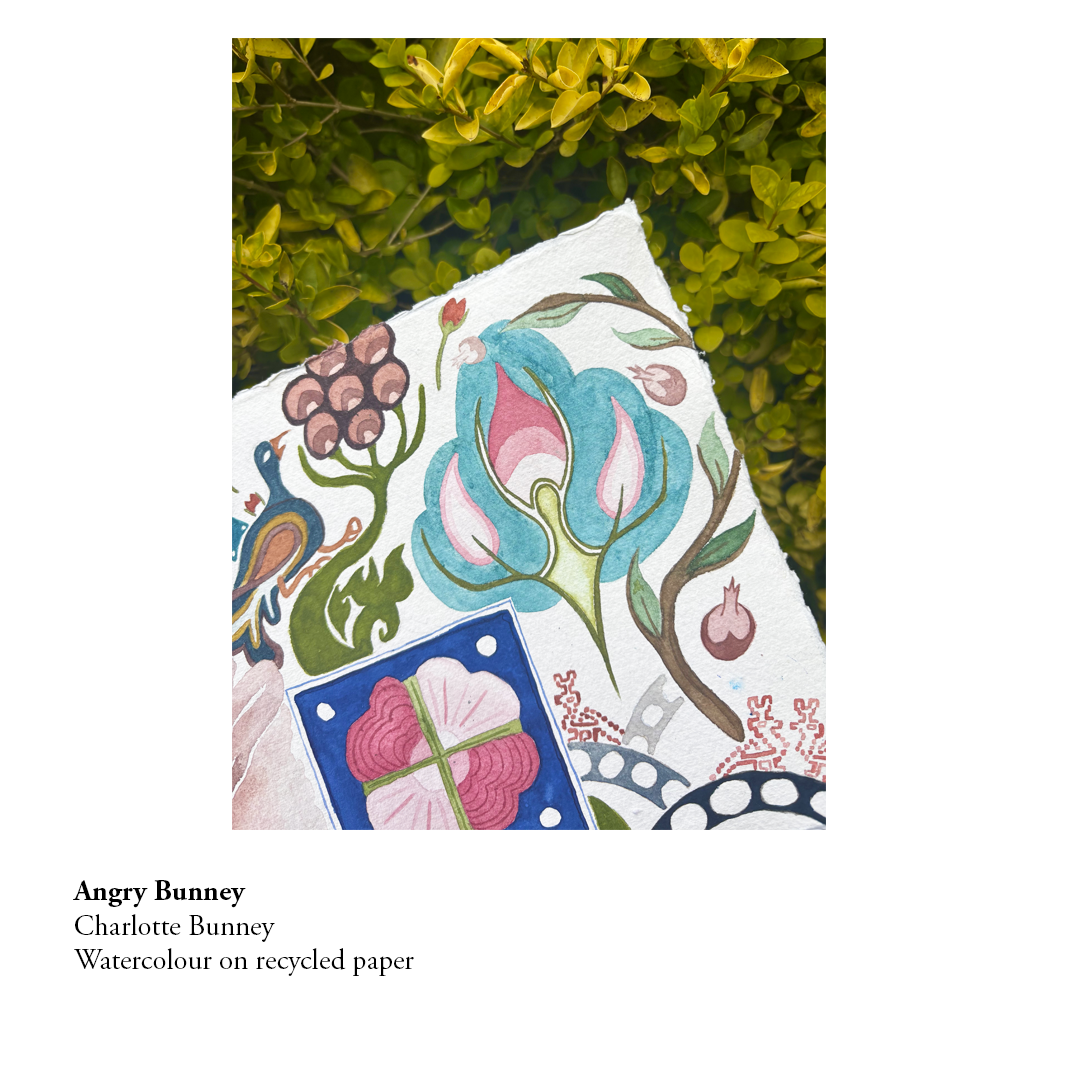
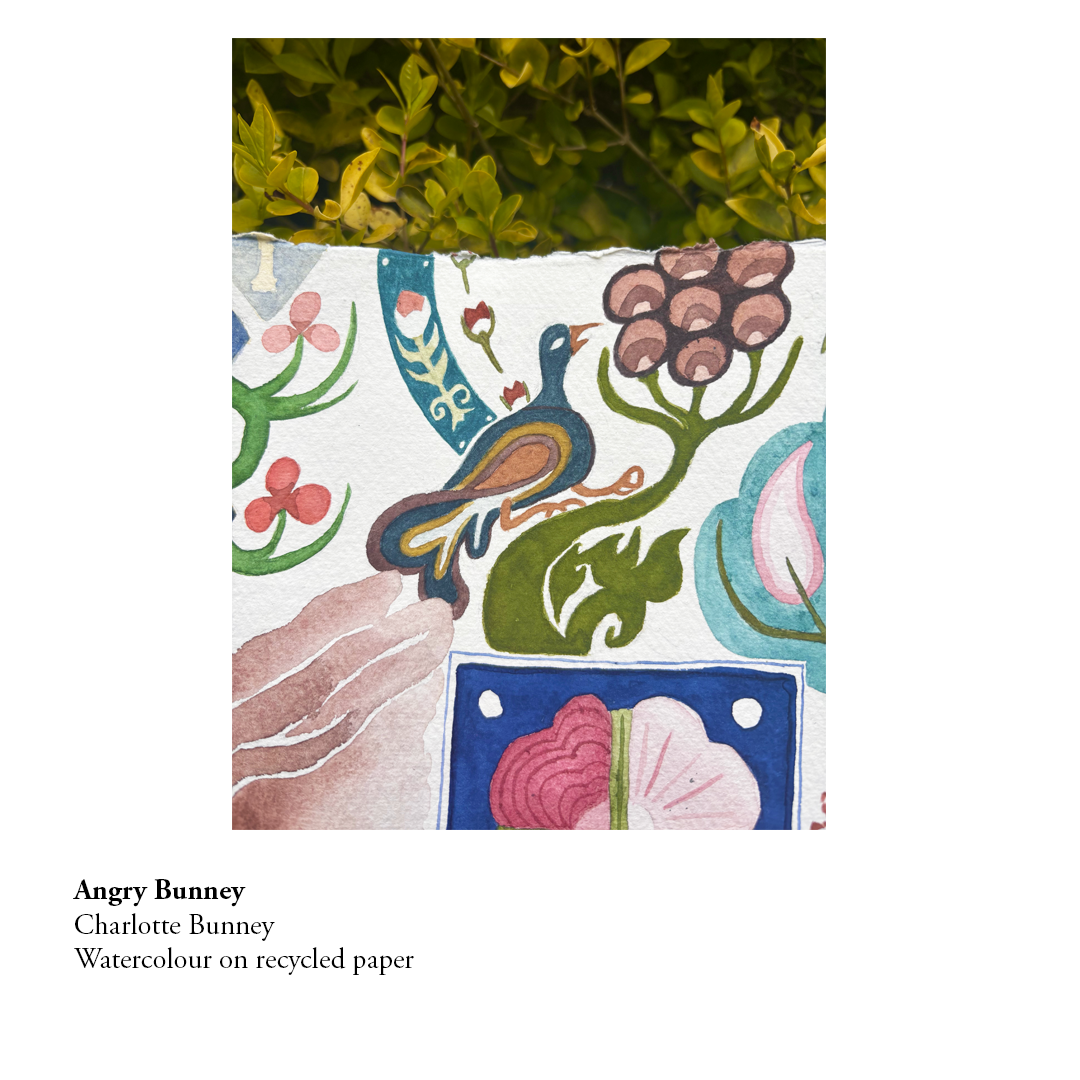
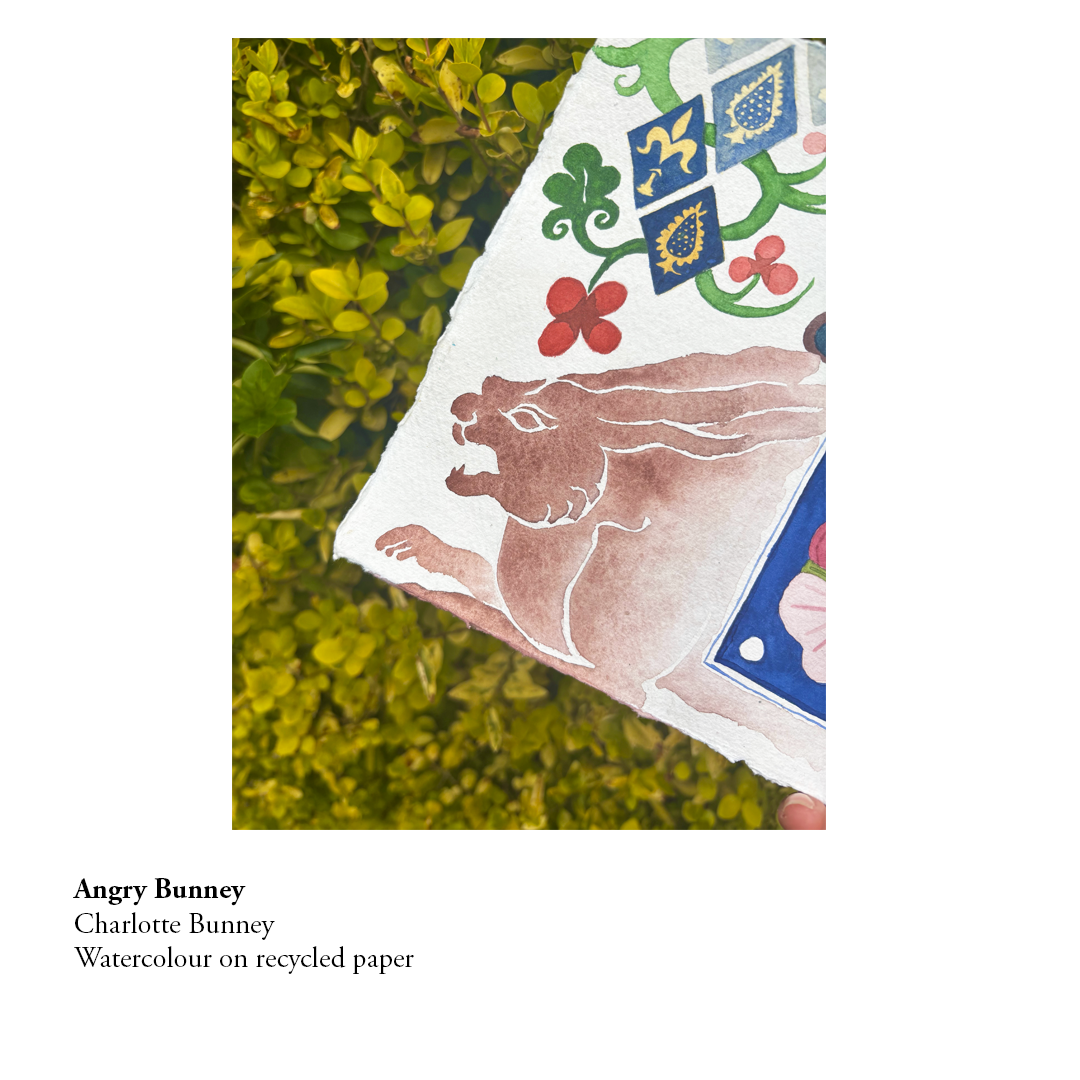
These pieces came about because after spending a lot of time knitting, I really missed painting, watercolour painting in particular. I had also been looking at a lot of Roman frescos and graffiti for a Classics Matter cover and got inspired by a lot of the artefacts I found, as well as a lot of the Greek and Minoan artefacts I was finding as I travelled further down the rabbit hole. So, I decided to kill two birds with one stone and picked various parts of the artefacts I was looking at to either directly copy into watercolour or to transform in watercolour and mix them all together. Broad categories for each piece will be below the images (sources coming soon).
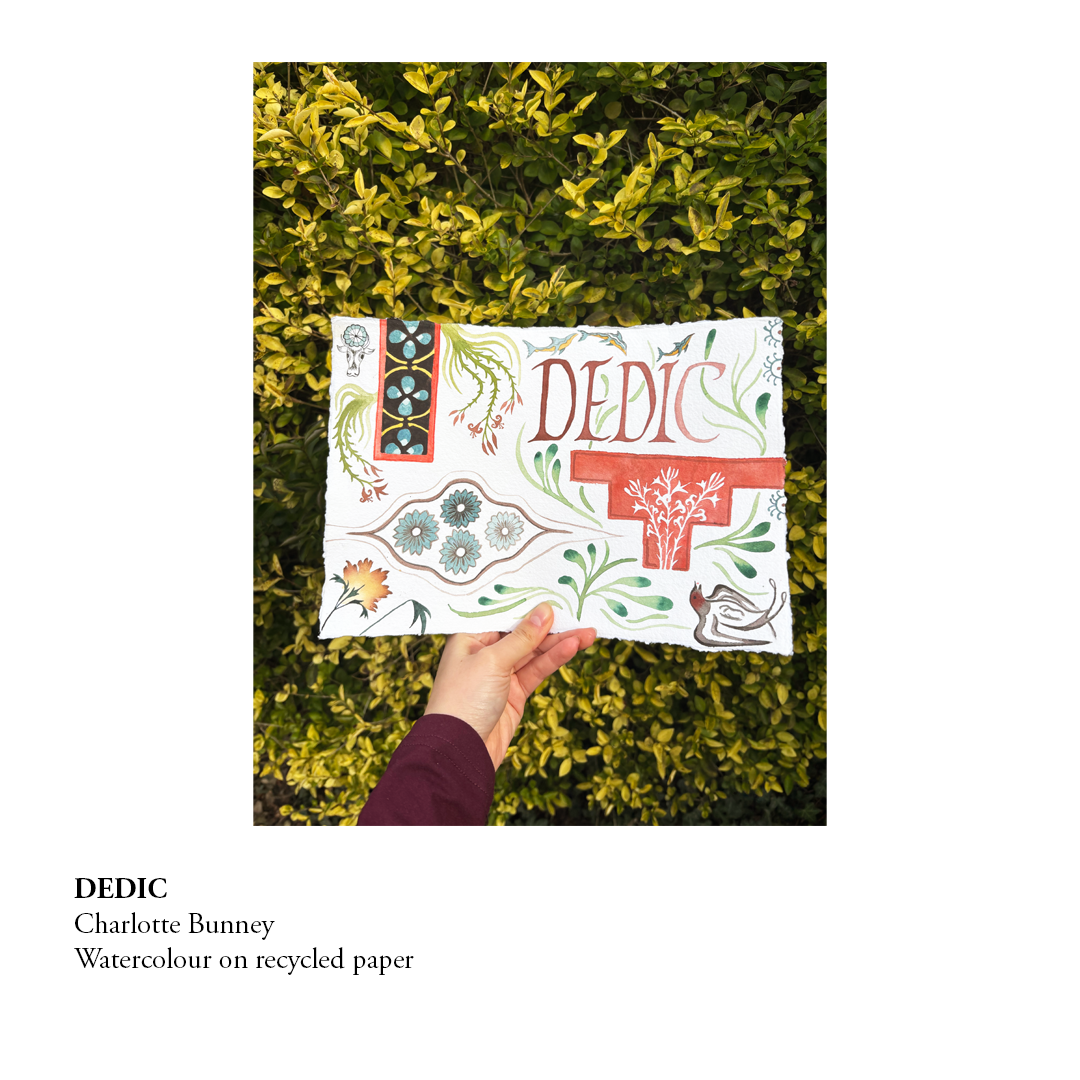
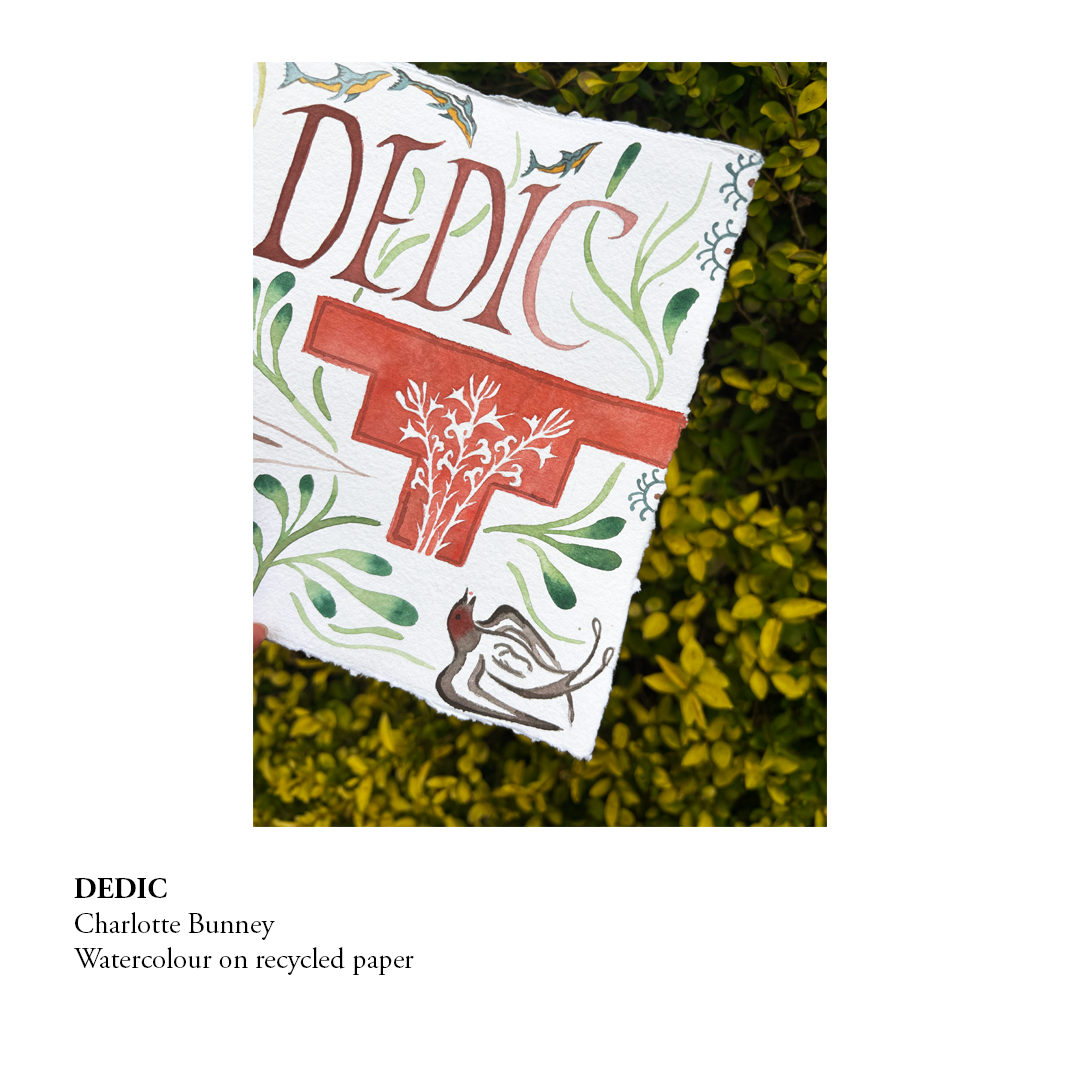
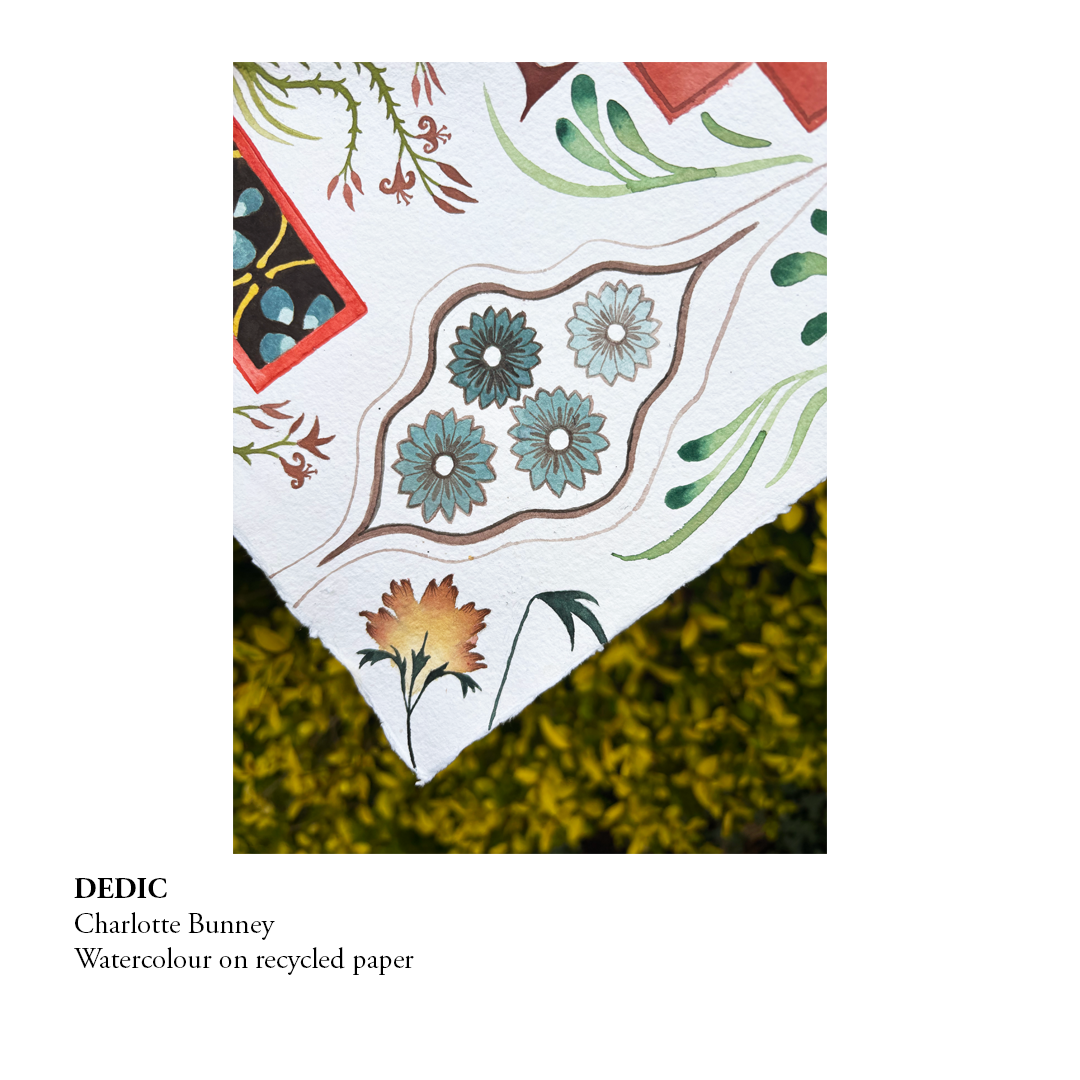
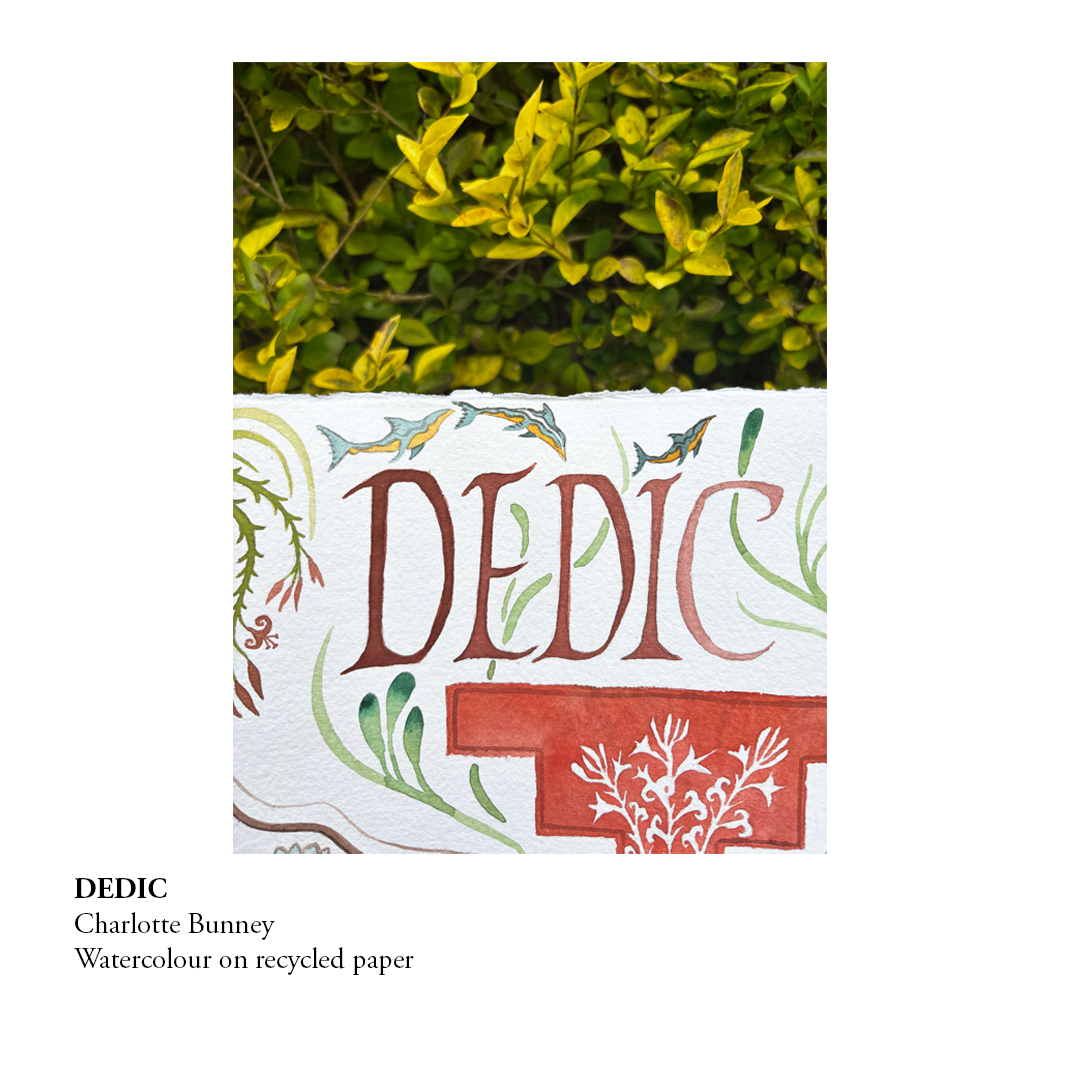
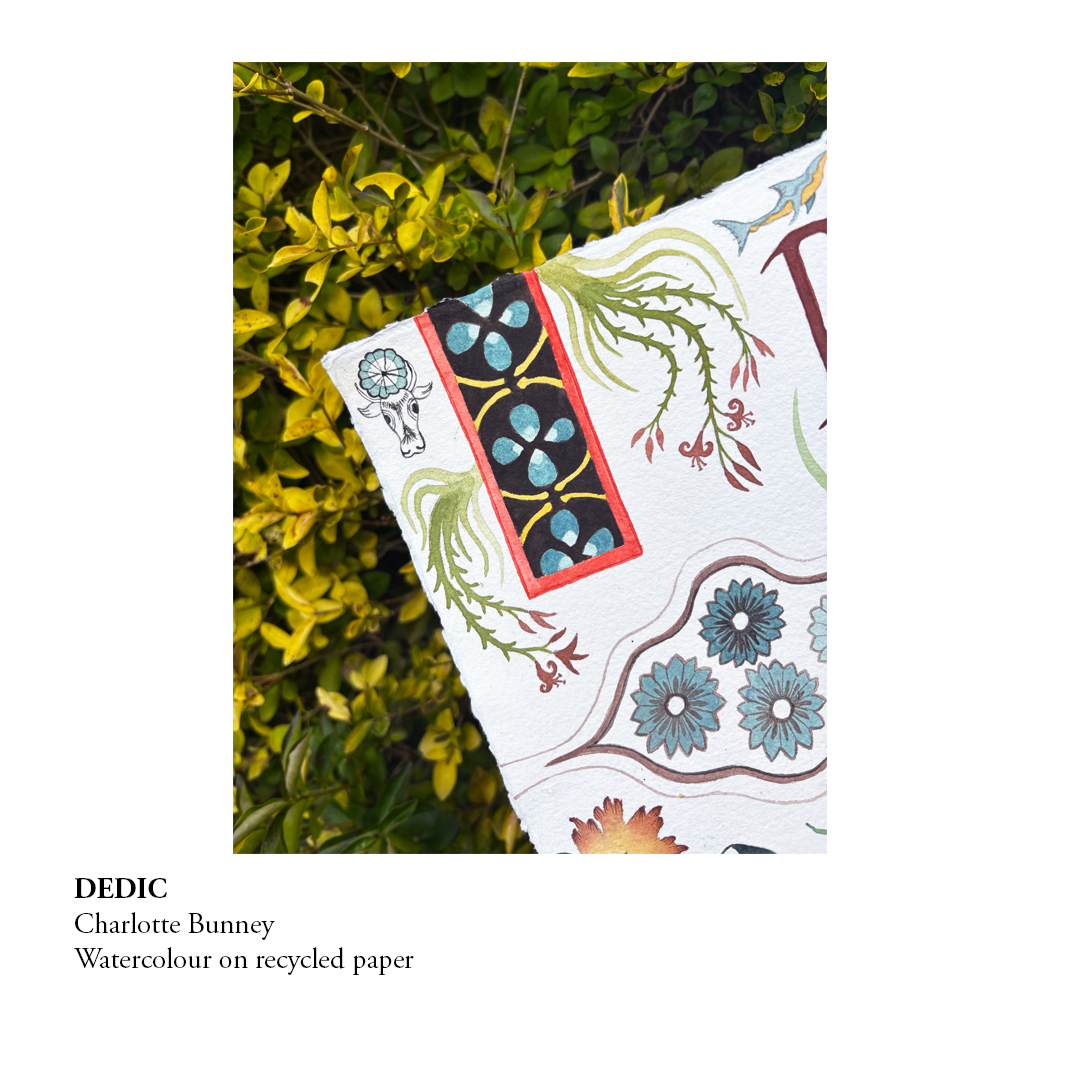
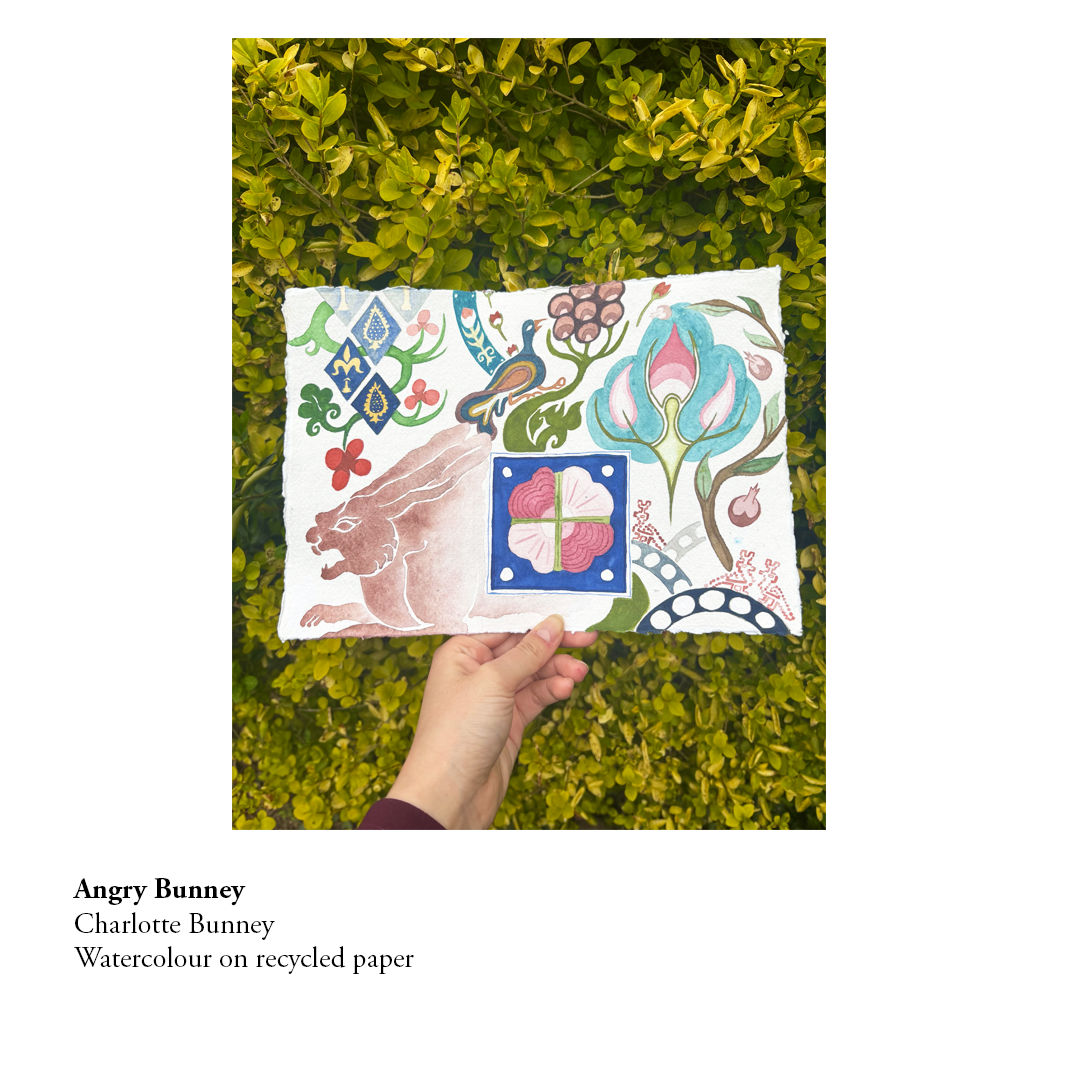
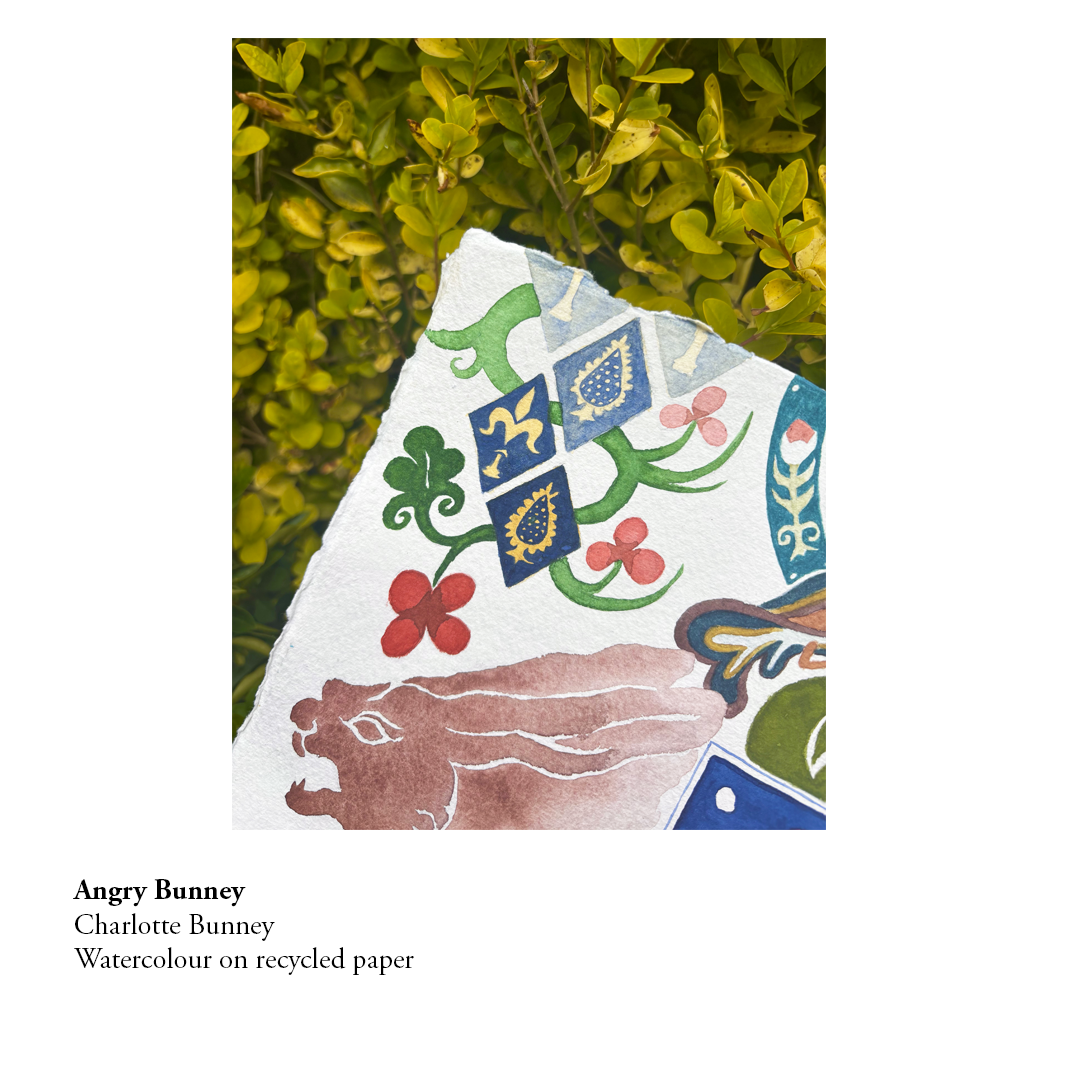
DEDIC
A combination of Roman frescos/graffiti and Greek and Minoan frescos.
Angry Bunney
A combination of what I think are mostly Byzantine textile fragments (a Medieval one might have found its way in, but I need to double check the sources).
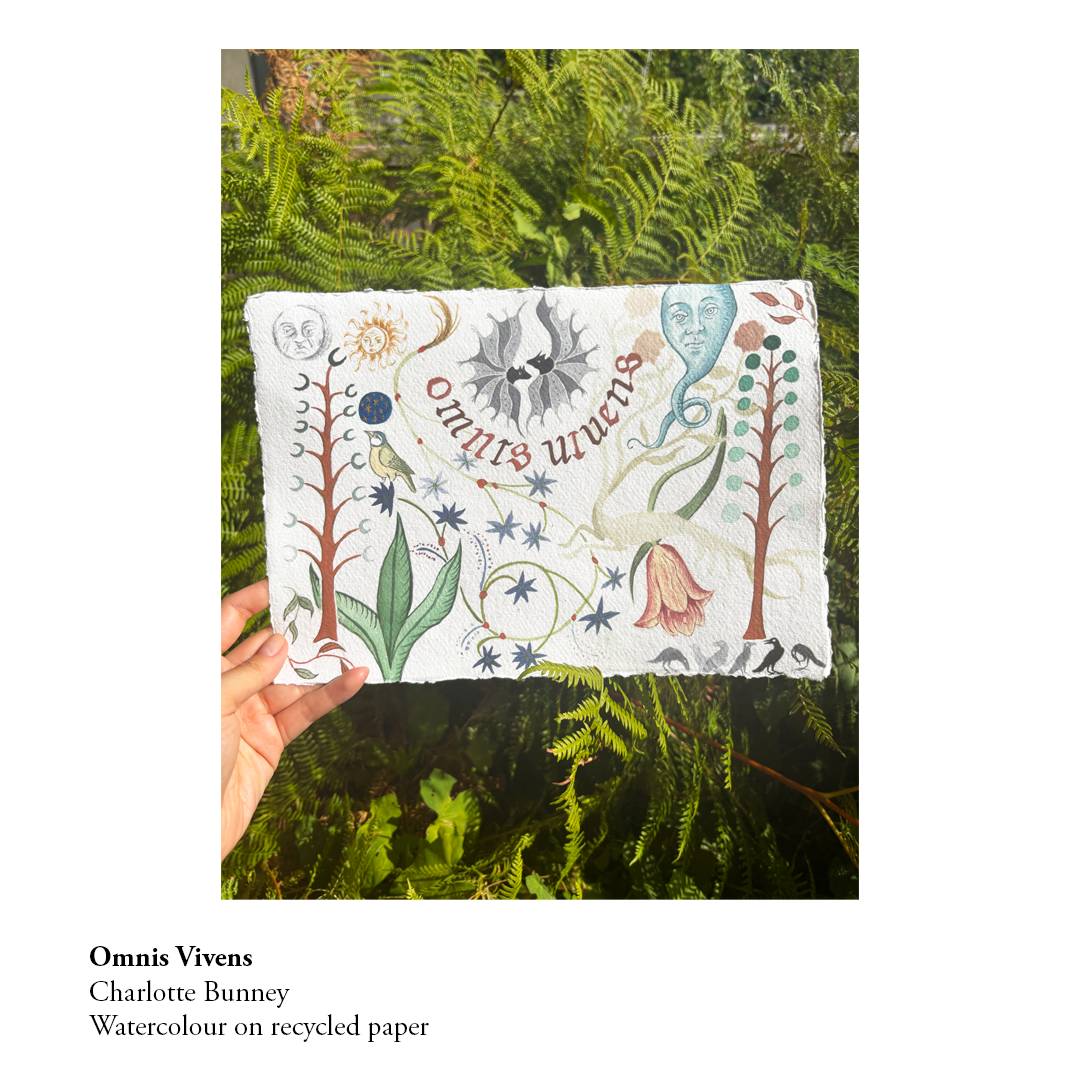
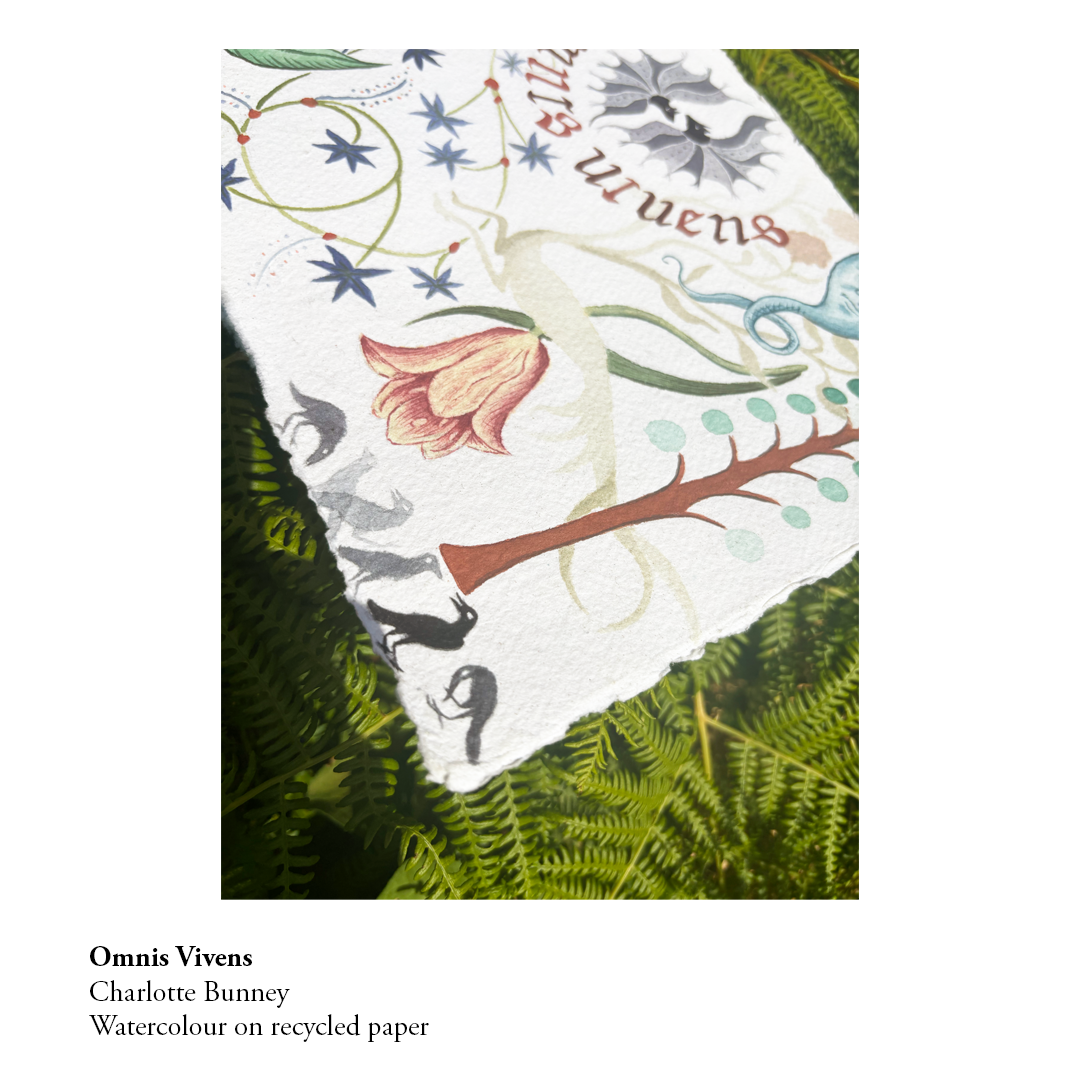
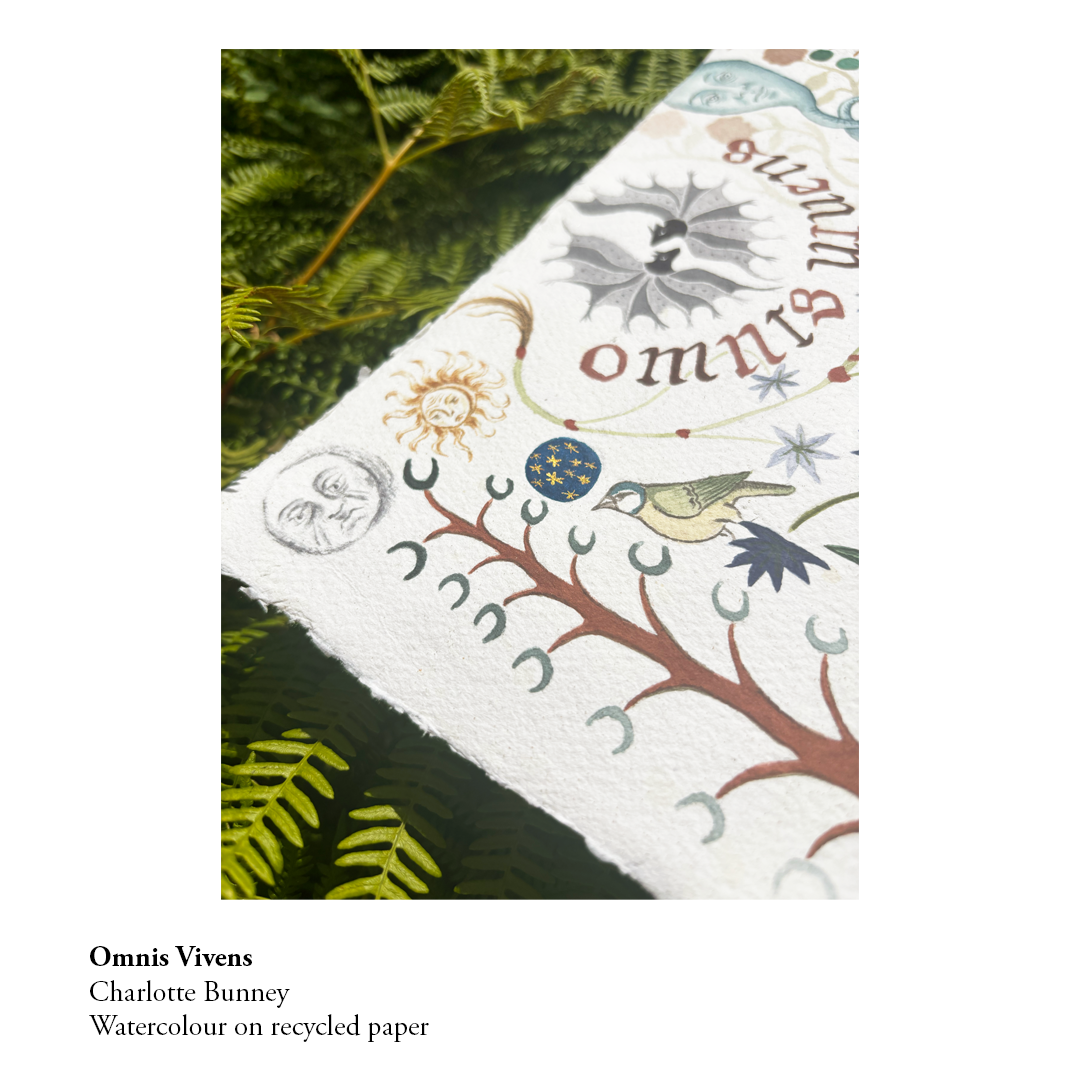
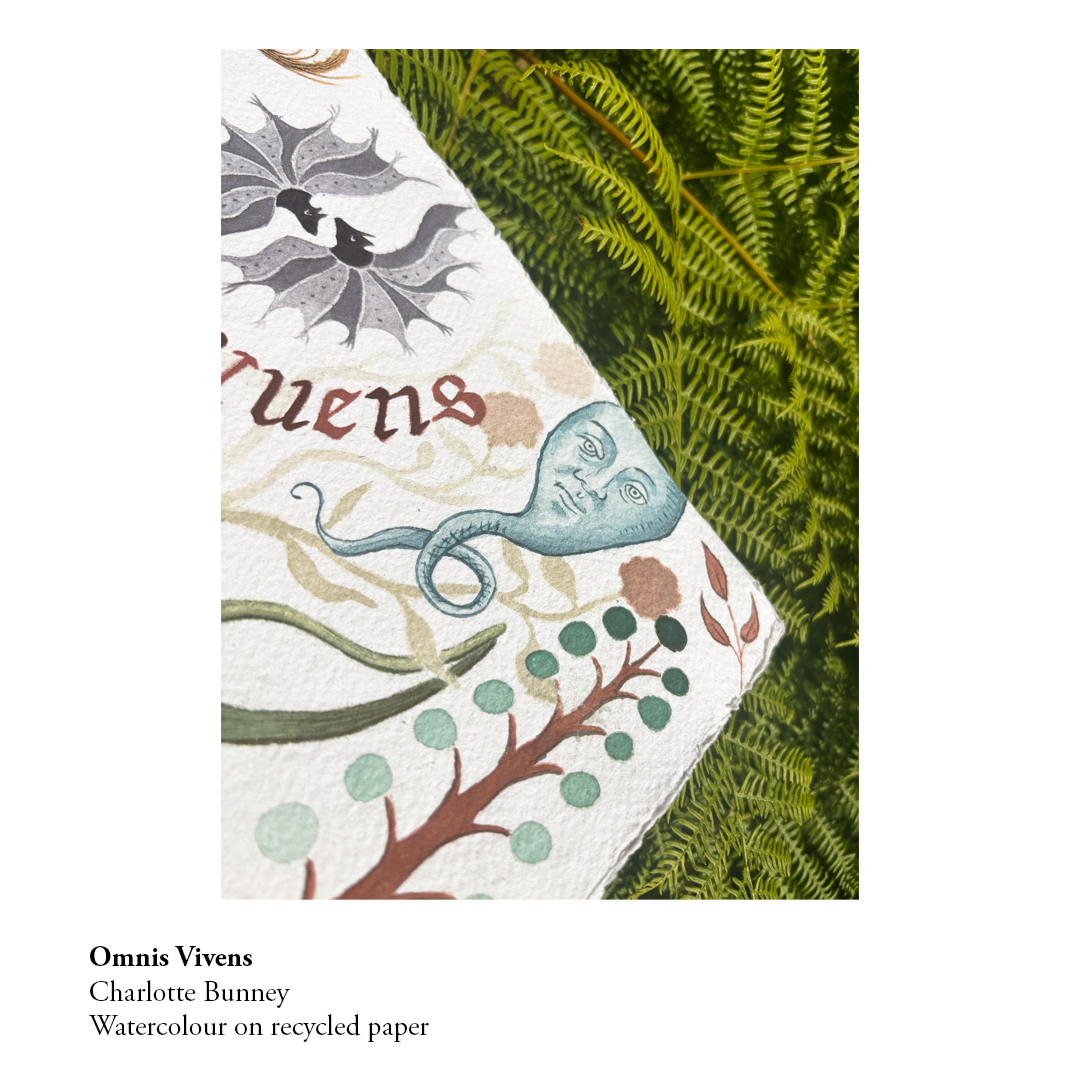
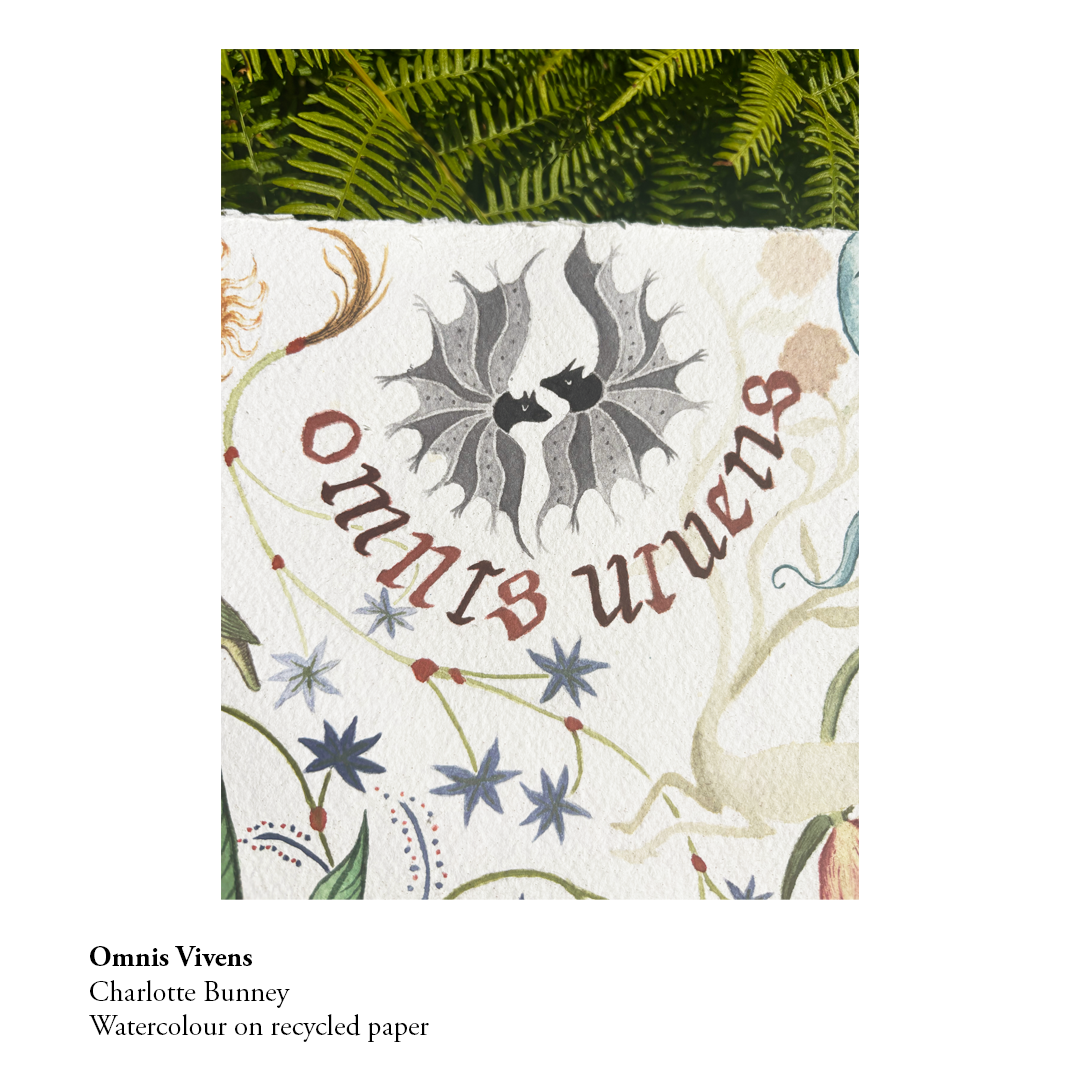
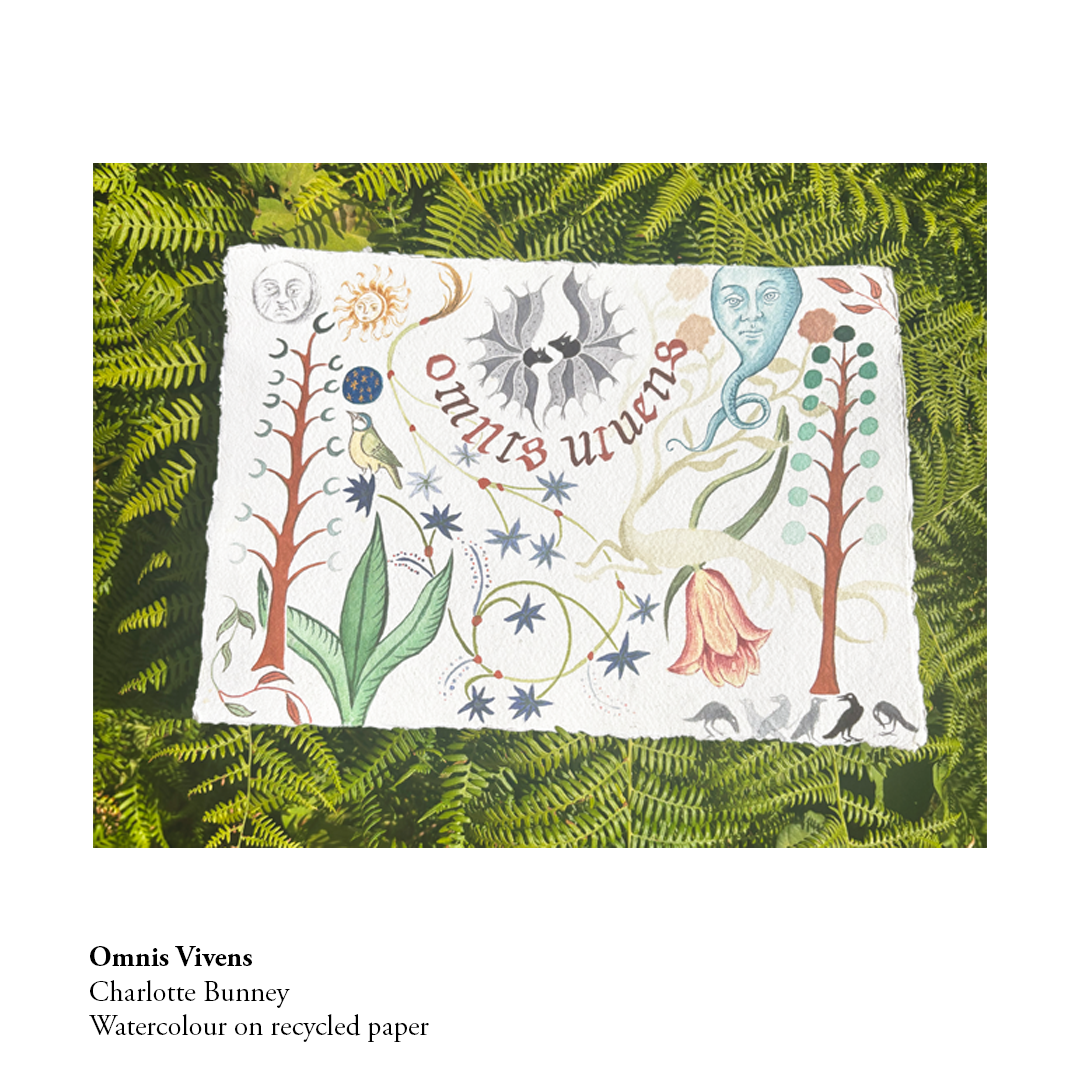
Omnis Vivens
So this one is very much stretching the ‘Classics’ label as this piece is based on Medieval illuminated manuscript illustrations but I feel all these sorts of pieces spiritually belong together, and I make the rules around here anyway (plus there’s Latin!).
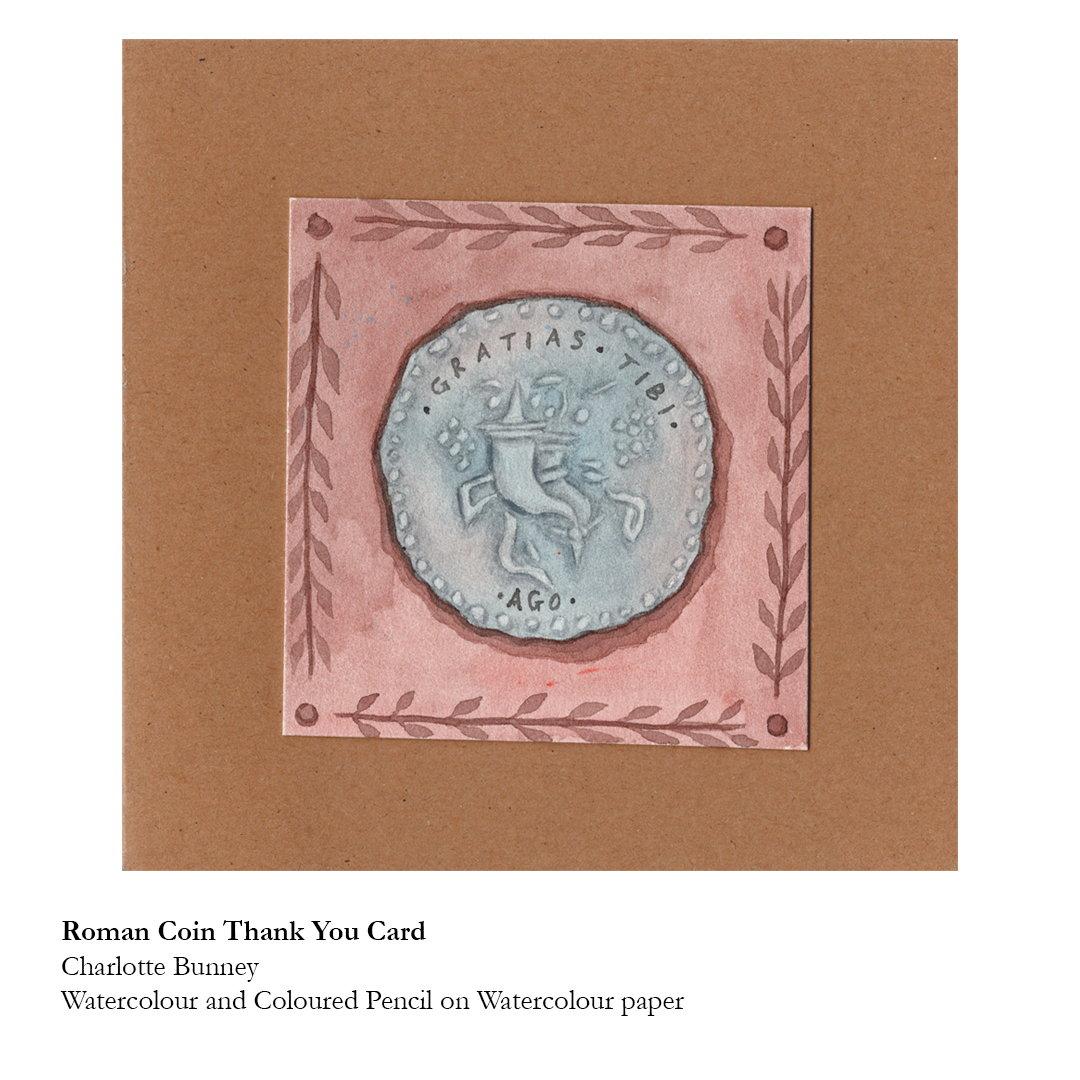
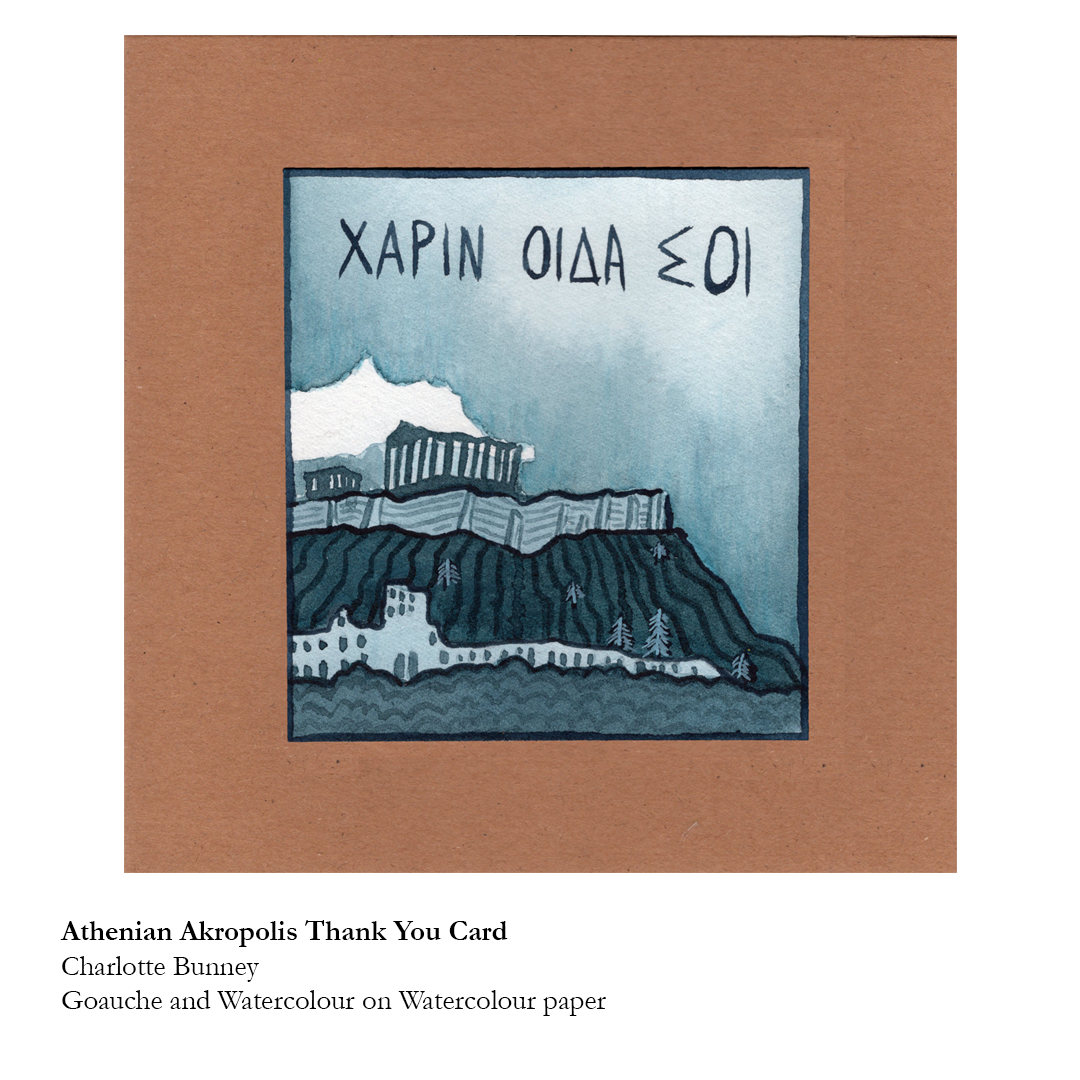
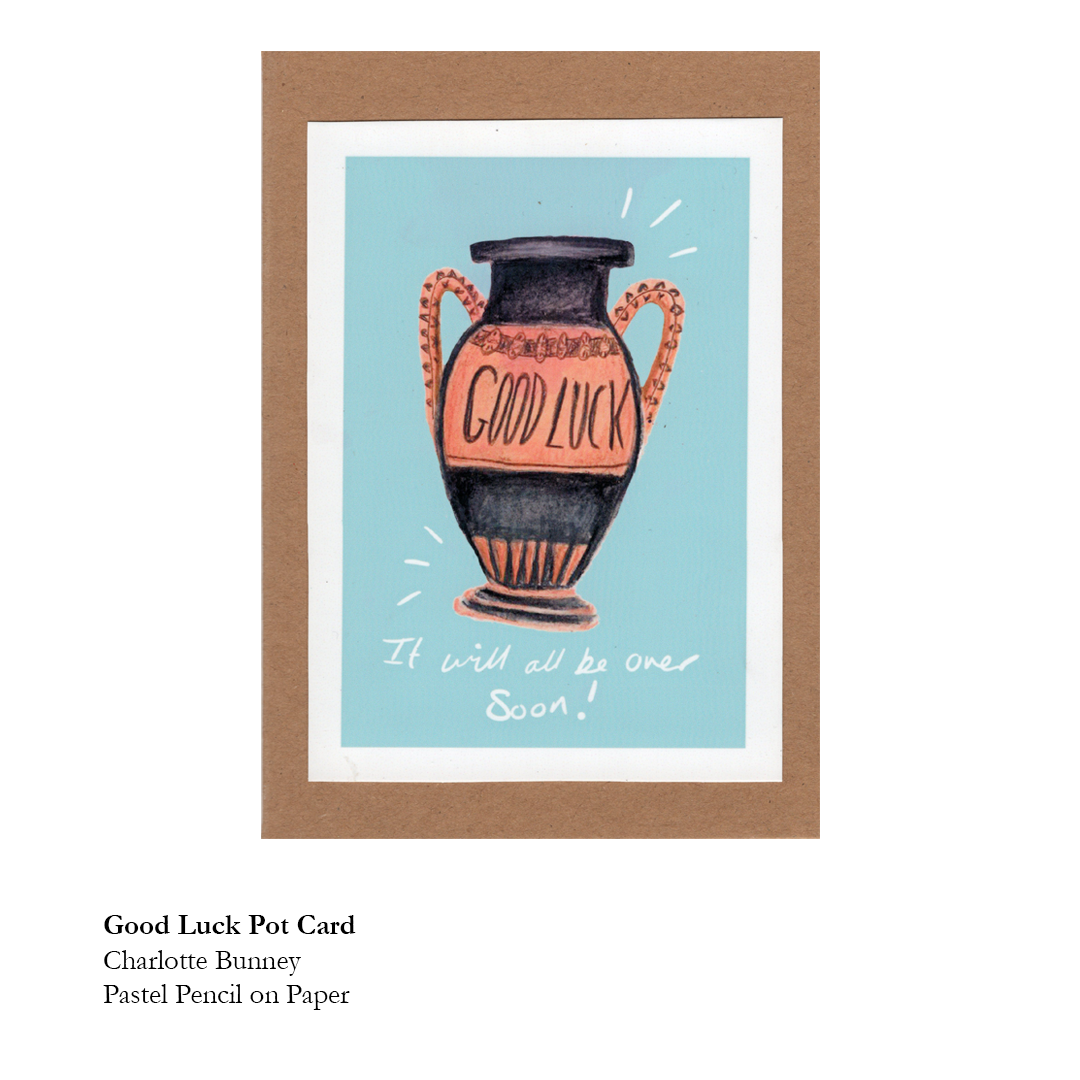
Greetings cards/Gifts




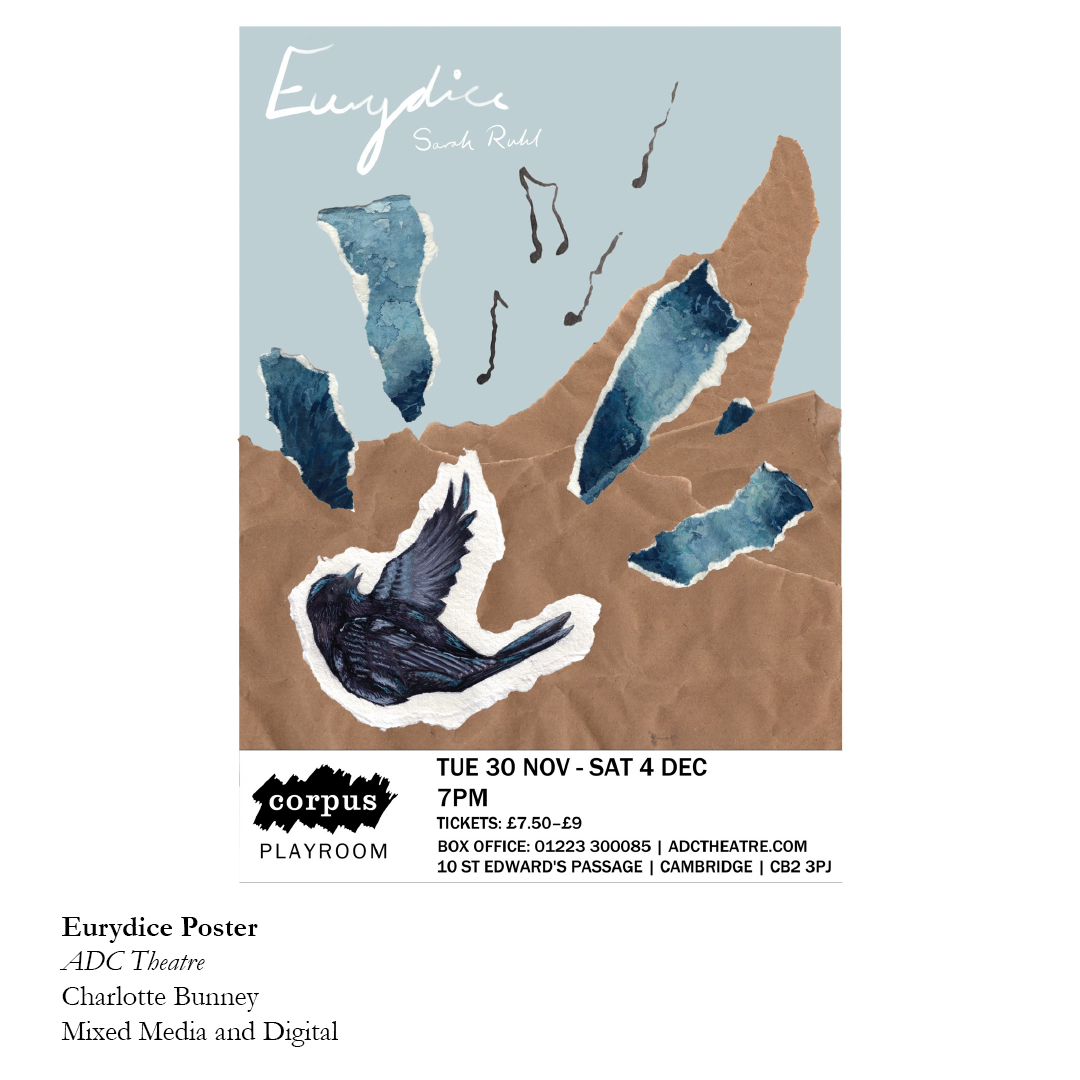
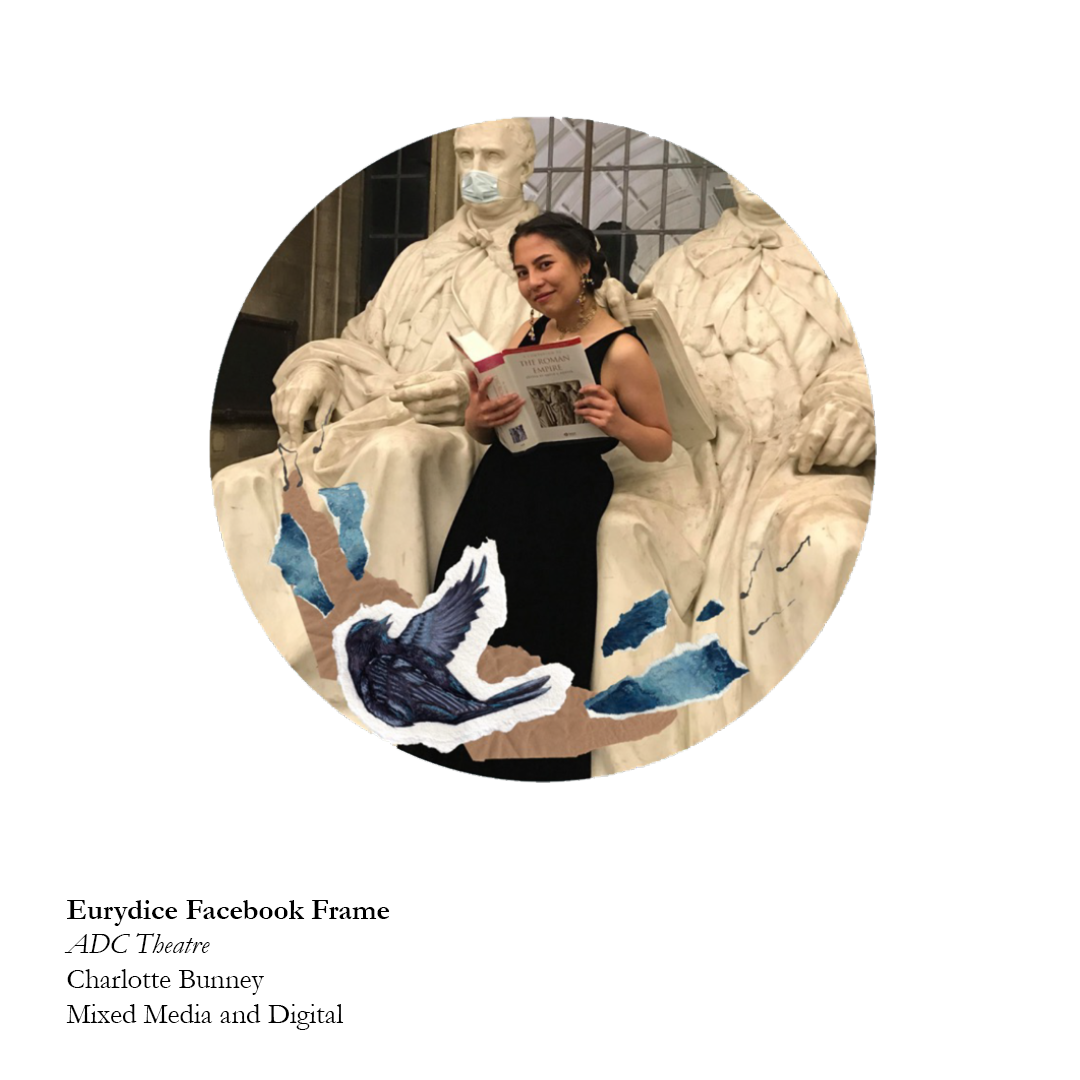
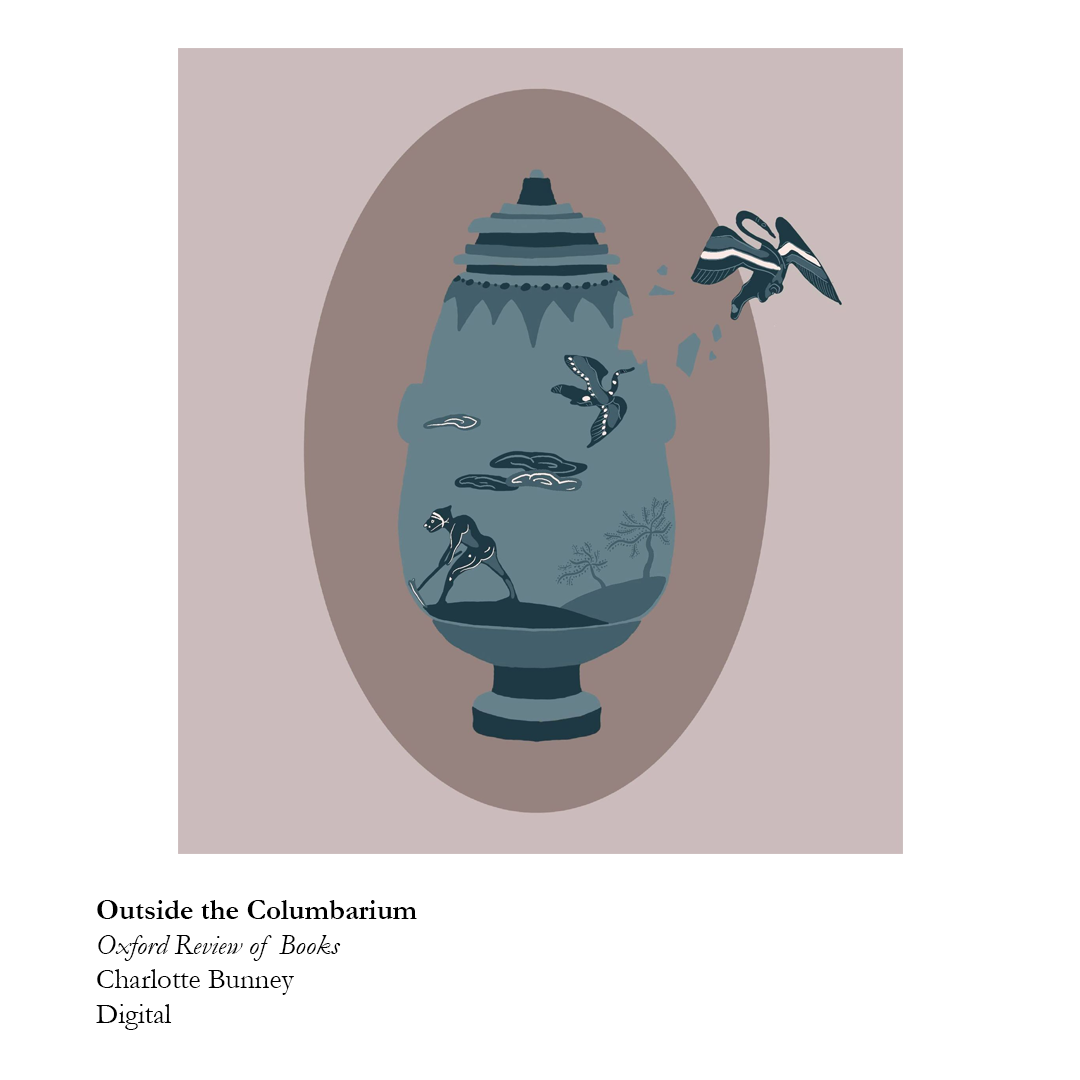
Published work

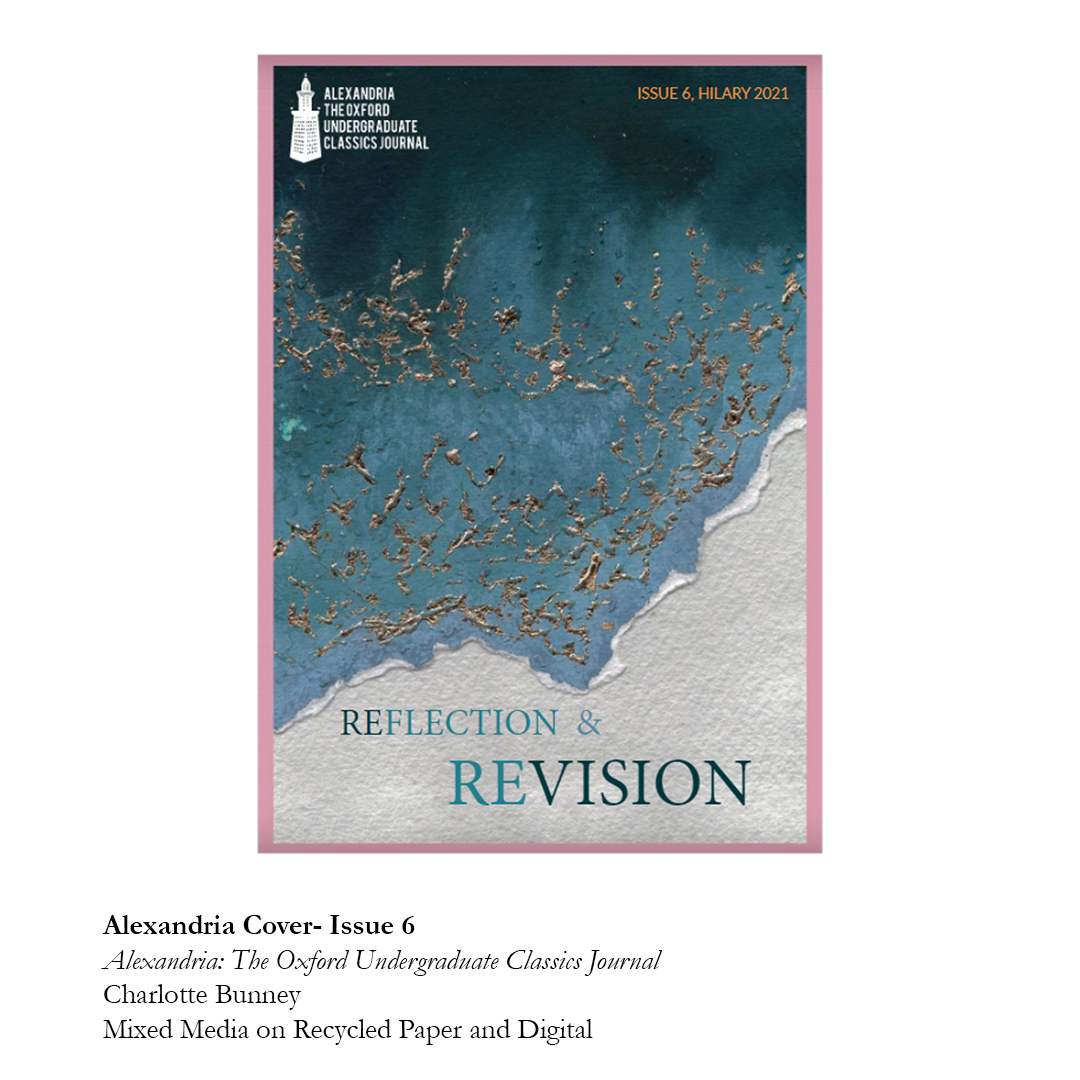
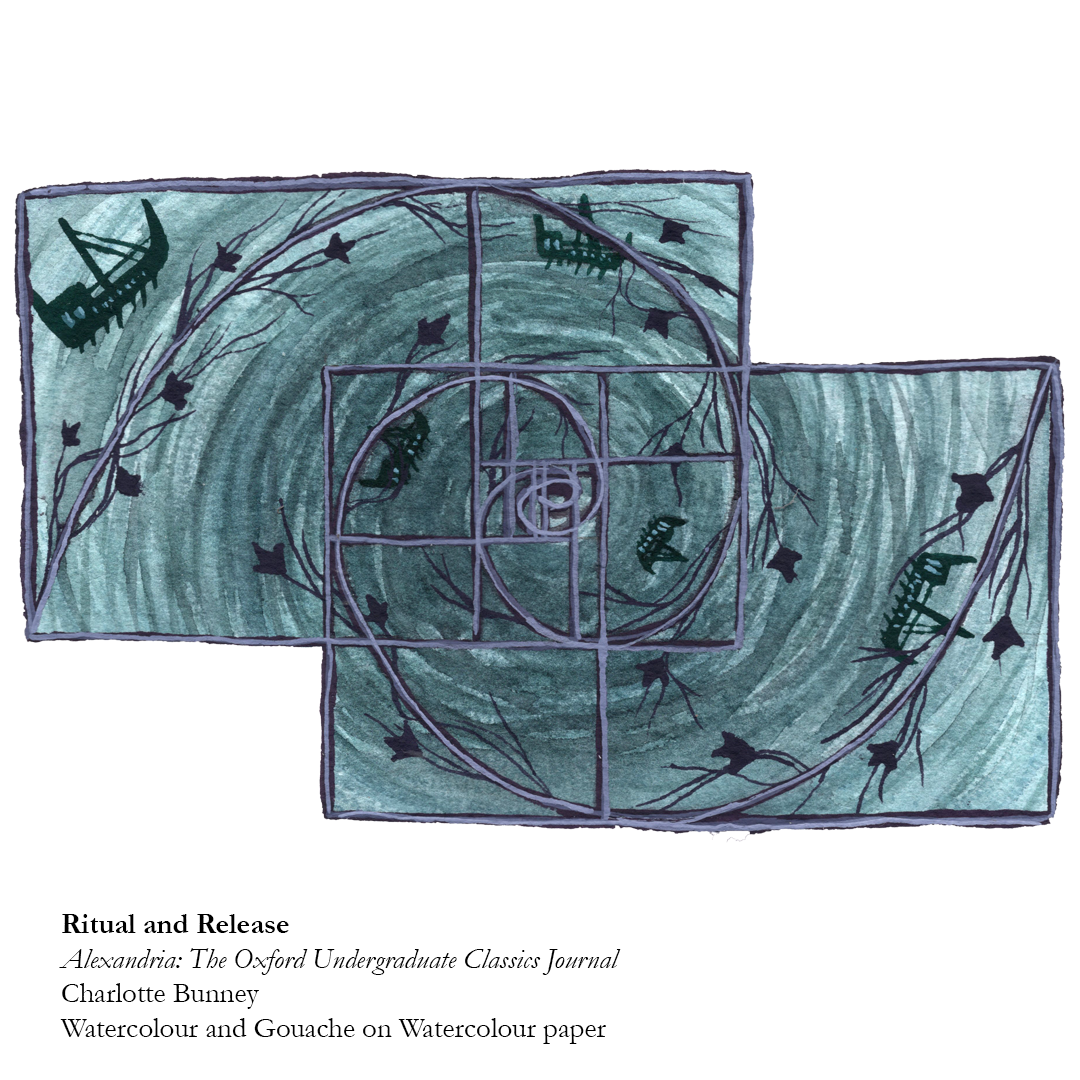
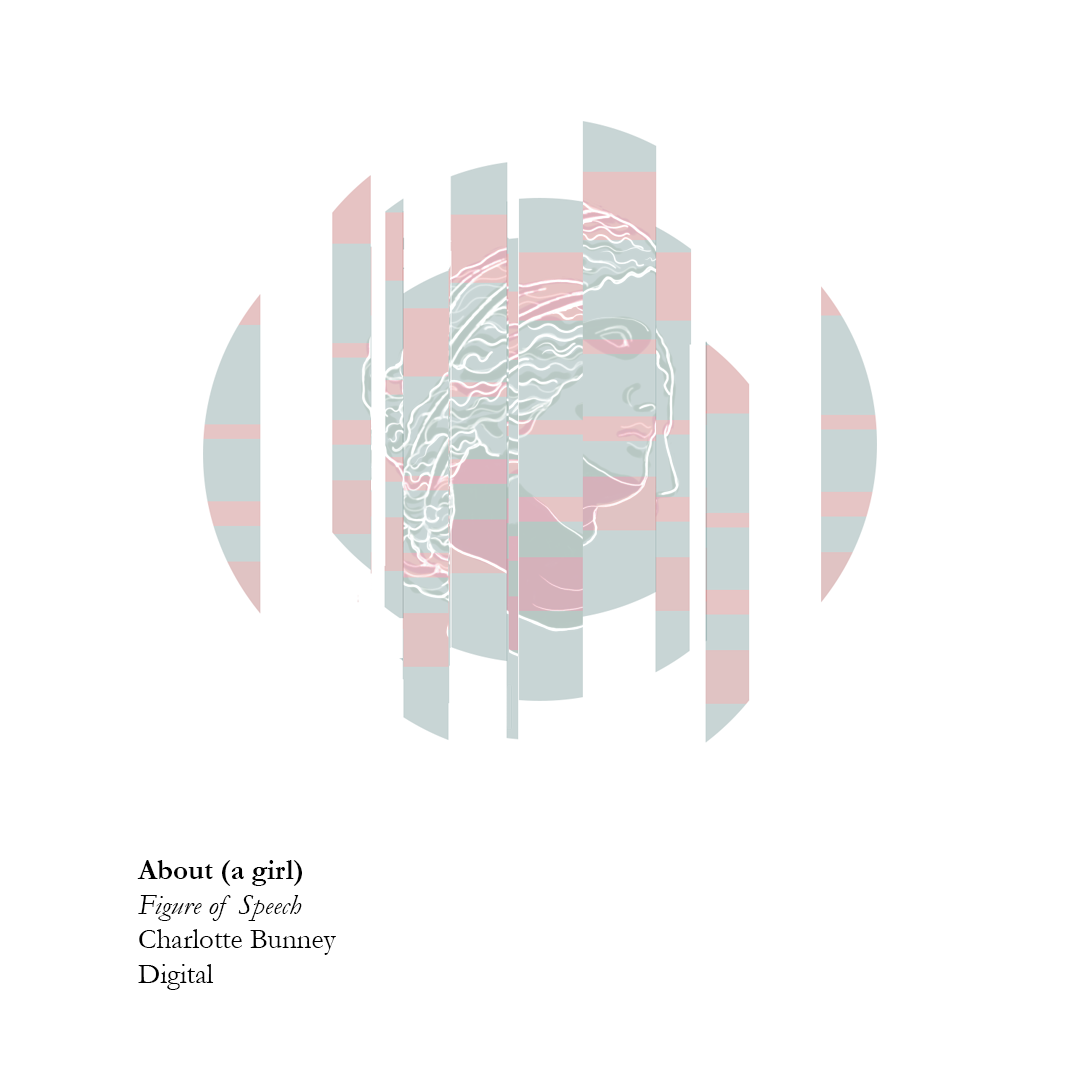


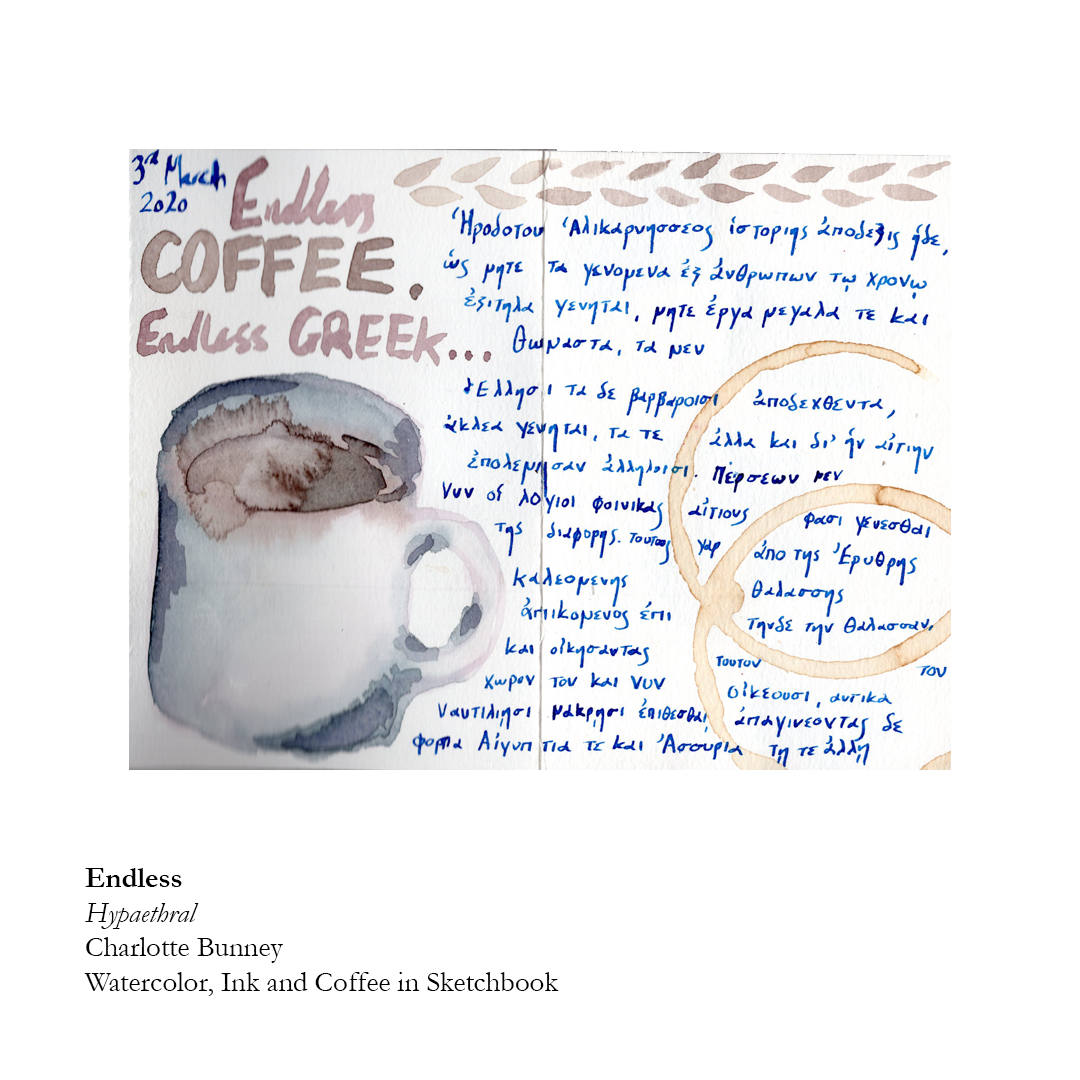
Sketches/Quick work/Sketchbooks